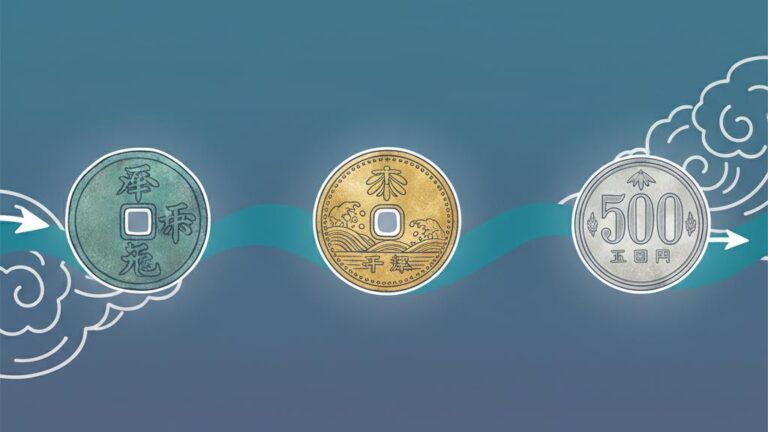
The Yen’s Role as a Major Reserve Currency: History and Future

The Japanese yen (JPY) stands as one of the world’s most recognized and traded currencies, often seen as a safe-haven asset during times of global economic turmoil. Its journey from a domestic currency to a global powerhouse is a fascinating story of economic transformation, strategic policy, and shifting international dynamics.
This article explores the comprehensive Japanese yen reserve currency history, detailing its rise, peak, and evolving role in the modern financial system. A reserve currency is a foreign currency held in significant quantities by central banks, and the yen has long been a member of this exclusive club, alongside the U.S. dollar, the euro, and the British pound.
From Unification to Global Integration: The Yen’s Early Years
The foundation of the yen’s international status was laid more than a century ago, through pivotal reforms that modernized Japan’s economy and prepared it for the world stage.
The Meiji Restoration and the Birth of the Yen (1871)
The Japanese yen was officially introduced by the Meiji government in 1871. This was a crucial step in Japan’s rapid modernization, designed to unify the country’s complex and fragmented monetary systems, which were based on both gold and silver. By establishing a single, unified currency, Japan aimed to streamline its domestic economy and facilitate more stable trade with international partners.
This period marked the beginning of the yen’s journey, transforming it from a collection of regional notes into a national currency. You can explore more about the early history of the Japanese yen and its origins before this period of modernization.
The Bretton Woods Era: A Fixed Peg to the Dollar
After the turbulence of the early 20th century and World War II, Japan’s economy needed stability to rebuild. This stability came from the Bretton Woods system, a global monetary framework established in 1944. In 1949, the yen was pegged to the U.S. dollar at a fixed exchange rate of ¥360 to $1 USD.
This fixed rate provided the predictability necessary for Japan’s export-driven economic miracle. Japanese industries could plan and price their goods for the massive American market with certainty, fueling decades of unprecedented growth and transforming Japan into an economic superpower.
The Yen’s Ascent: Charting the Japanese Yen Reserve Currency History
The collapse of the Bretton Woods system in the early 1970s was a turning point for the yen, launching it onto a path toward becoming a true global currency held in reserve by nations around the world.
The Float and the Plaza Accord
In 1971, the United States abandoned the gold standard, effectively ending the Bretton Woods system. By 1973, the yen transitioned to a freely floating currency, meaning its value was determined by market supply and demand. While this introduced volatility, it also signaled the yen’s arrival as a major, freely tradable currency.
The yen’s value surged dramatically following the 1985 Plaza Accord. This was an agreement among the world’s leading industrial nations (G5) to depreciate the U.S. dollar, particularly against the Japanese yen and German Deutsche Mark. This policy decision cemented the yen’s importance in the global financial architecture and accelerated its adoption by foreign central banks.
Peak Influence and the Push for Internationalization
The 1980s marked the zenith of Japan’s economic power, and the yen’s reserve status reflected this. The yen internationalization history gained significant momentum as Japan’s Ministry of Finance deregulated financial markets and actively encouraged the use of the yen in global trade and finance.
These efforts were highly successful. The yen’s share of global foreign-exchange reserves peaked at over 8% in 1991, making it a clear, albeit distant, competitor to the U.S. dollar. This campaign was particularly effective in Asia, where regional economies developed closer financial ties with Japan.
The Modern Role: Status and Challenges for the Yen
Today, the yen’s position in the global reserve landscape has evolved. While it remains a critical component of the international monetary system, it faces new challenges that have reshaped its influence.
A Declining Share in Global Reserves
Despite its historic peak, the status of the yen as a reserve currency has seen its global share decline. As of the last decade, the yen accounts for about 5-6% of global reserves. This is primarily due to the persistent dominance of the U.S. dollar as the world’s primary reserve currency, which maintains an outsized share of over 50%, and the rise of the euro as a strong second.
According to the International Monetary Fund’s data on official foreign exchange reserves, the yen remains in the top five, but its share has been overshadowed by these larger currency blocs. Japan’s financial openness and persistent current account surpluses, however, continue to support its underlying status.
The Yen’s Enduring Regional Influence
While its global share has diminished, the yen maintains significant influence in Asia. Its role becomes particularly apparent during periods of financial stress. For example, during the Asian Financial Crisis of 1997–98, some regional currencies exhibited a much stronger correlation with the yen, reflecting Japan’s role as a financial anchor and major economic partner in the region.
This regional importance ensures the yen remains a crucial currency for trade invoicing, investment, and reserves among its Asian neighbors, even if its global footprint has shrunk.
The Advantages of Reserve Currency Status for Japan
Maintaining a reserve currency, even as a secondary player, provides significant benefits to Japan. These advantages underscore why the country has historically promoted the yen’s international use.
Economic and Political Perks
The advantages of reserve currency status for Japan are multifaceted and impactful. They include:
- Lower Borrowing Costs: Strong and consistent global demand for yen-denominated assets, particularly Japanese government bonds, allows the government to borrow money at lower interest rates.
- Enhanced Financial Influence: As a key currency, Japan has a greater ability to influence regional and global financial stability and policy discussions.
- Economic and Political Prestige: Reserve currency status is a symbol of a nation’s economic strength and stability, conferring significant prestige on the global stage.
Persistent Challenges Limiting Growth
However, the yen’s path to greater internationalization is not without obstacles. Periods of economic stagnation and near-zero or negative interest rates in Japan have sometimes made yen-denominated assets less attractive to foreign investors seeking higher returns.
Furthermore, the deep liquidity and network effects of the U.S. dollar market remain a formidable barrier. The global economy is built around the dollar for trade, finance, and reserves, a structure that is difficult for any currency, including the yen, to significantly disrupt.
Frequently Asked Questions
What made the Japanese yen a global reserve currency?
Japan’s rapid postwar economic growth, large export surpluses, and deep, stable financial markets turned the yen into one of the world’s top reserve currencies. Its status was solidified after it became fully convertible and began to float freely in the 1970s.
How significant is the yen in central bank reserves today?
As of recent data, the yen comprises about 5-6% of global central bank reserves. While this is a significant drop from its peak, it remains one of the top five reserve currencies, behind the U.S. dollar and euro but ahead of most others.
What are the advantages of reserve currency status for Japan?
The primary advantages include lower government borrowing costs due to high demand for the yen, enhanced economic and political influence in global affairs, and reinforced international prestige for Japan.
Why has the yen’s reserve status been limited compared to the US dollar?
The U.S. dollar’s historical dominance, its central role in global trade (invoicing), and the unparalleled size and liquidity of U.S. capital markets have constrained the yen’s international adoption and reserve share.
What role does the yen play during financial crises in Asia?
During crises, regional currencies sometimes show a higher correlation with the yen. This reflects its role as a regional financial anchor and Japan’s status as a major source of capital and trade in Asia.
Conclusion
The story of the Japanese yen as a reserve currency is a direct reflection of Japan’s own economic history—from its ambitious modernization and post-war resurgence to its peak as a global industrial leader and its more recent struggles with economic stagnation. While it no longer holds the share of global reserves it once did, the yen remains an indispensable part of the international financial system.
Its status as a safe-haven asset, its deep liquidity, and its regional importance in Asia ensure that the yen will continue to be a key currency for central banks and investors worldwide. The history of the Japanese yen reserve currency is one of remarkable ascent and resilient stability, securing its place among the world’s elite currencies.