The Historical Cost of a Car: Automotive Prices Adjusted for Inflation
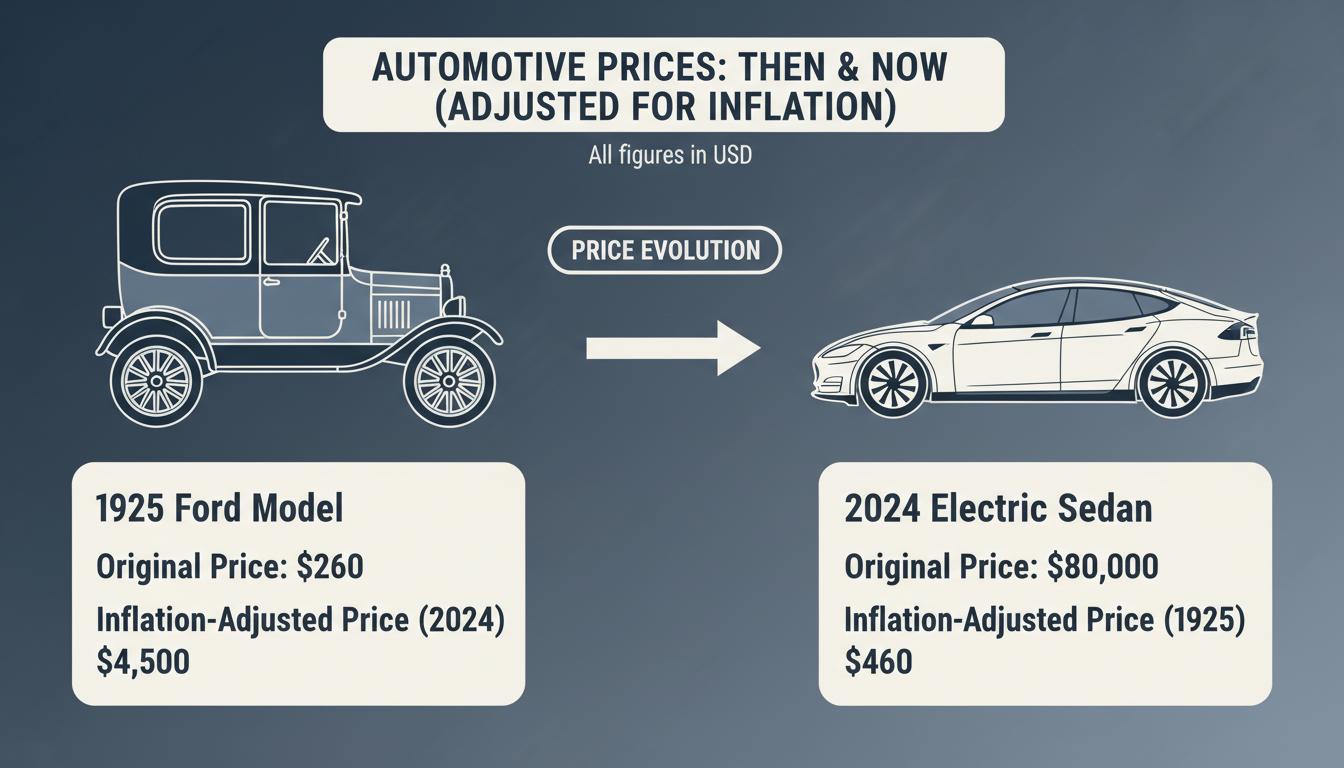
Ever see a classic car from the 1960s and wonder what it cost brand new? The low sticker prices of the past can seem shockingly affordable, but a simple dollar-to-dollar comparison doesn’t tell the whole story. To truly understand automotive prices over the decades, we must look at the historical cost of a car adjusted for inflation, technological advancements, and shifting consumer expectations.
The truth is, while a car in the 1960s had a much lower nominal price, its inflation-adjusted cost is surprisingly close to many modern vehicles. However, the value you received then versus what you get today is worlds apart. This deep dive explores the evolution of car prices, what your money really buys, and how affordability has changed over time.
Average Car Price 1960s vs Today: A Tale of Two Eras
Comparing the price of a new car from the era of rock and roll to one from the digital age requires more than just looking at the sticker. When we adjust for decades of inflation, the numbers reveal a fascinating economic story.
The Sticker Shock of the 1960s (in Today’s Dollars)
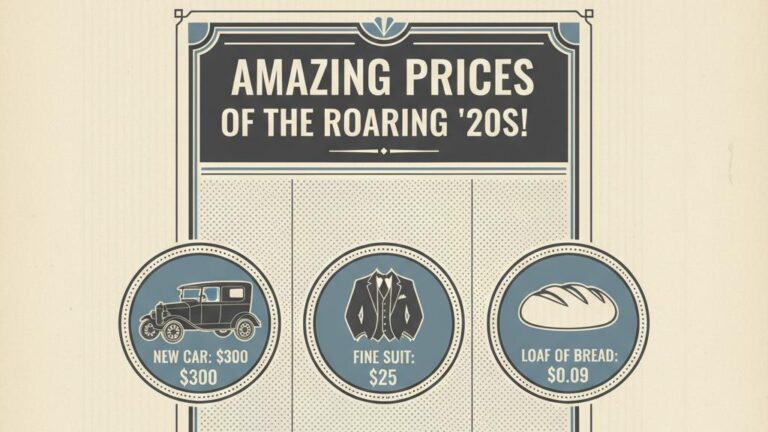
In the 1960s, a brand-new car would typically set a buyer back between $2,200 and $3,000, depending on the make and model. While that sounds like an incredible bargain, its true cost becomes clear when we translate it into modern currency.
- A $2,200 car from 1960 is equivalent to about $22,000 in today’s dollars.
- A higher-end $3,000 vehicle from that era would be roughly $30,000 today.
This adjustment is essential for understanding the historical purchasing power value over time, as it provides a more accurate picture of the financial commitment a new car represented for a household in the 1960s.
Modern Vehicle Prices: What Are We Paying Now?
Fast forward to today. The average transaction price for a new vehicle in 2025 hovers between $47,000 and $48,000. At first glance, this seems significantly higher. However, when compared to the inflation-adjusted range of 1960s cars ($22,000 to $30,000), modern vehicles are generally more expensive, though top-end models in the 1960s could approach today’s pricing when adjusted for inflation.
This surprising similarity in real cost raises a crucial question: if the inflation-adjusted prices aren’t drastically different, what has changed? The answer lies in the immense evolution of the automobile itself.
Unpacking the Historical Cost of a Car: The Role of Inflation
Car prices haven’t just risen; they’ve often accelerated faster than many other consumer goods. This trend, known as car price inflation history, is driven by a combination of economic pressures, new regulations, and technological complexity.
A Long-Term Trend of Rising Prices
According to data from the U.S. Bureau of Labor Statistics, automotive prices have experienced a dramatic long-term increase. Between 1935 and 2025, the price of new cars inflated by approximately 650%, with all new vehicles (including trucks) seeing a jump of about 660%. This rate has not consistently outpaced the general Consumer Price Index (CPI); during certain decades, vehicle prices tracked closely with overall inflation, and in recent years, vehicle price inflation has exceeded general CPI.
Accurately tracking these changes is a fundamental part of using CPI to adjust historical values for major purchases like vehicles. It shows that cars have become more expensive not just because of a weaker dollar, but because the product itself is fundamentally more complex and feature-rich.
Key Moments That Accelerated Costs
Certain periods saw sharper increases in car prices than others. The 1970s oil crisis, for example, was a major turning point. It forced manufacturers to pivot toward smaller, more fuel-efficient designs and meet new, stringent government regulations for emissions and safety, adding significant costs to both research and production.
The Evolving Value Proposition: What Your Money Buys Today
A direct price comparison between a 1965 Ford Mustang and a modern one is misleading because they are vastly different machines. The real value of transportation has been transformed by decades of innovation in safety, reliability, and performance.
Safety, Technology, and Emissions: The Missing Features of the ’60s
Cars from the 1960s were mechanically simple but lacked features now considered standard and legally required. If a manufacturer were to produce a 1960s-era car today with only its original features, it would be relatively cheap but would fail to meet modern expectations and legal mandates.
Consider what was missing back then:
- Advanced Safety: Airbags, anti-lock braking systems (ABS), electronic stability control, and crumple zones were not part of the design.
- Emissions Controls: Catalytic converters and other systems that reduce pollution were not yet implemented.
- Modern Electronics: Features like GPS navigation, advanced infotainment systems, and driver-assist technologies were the stuff of science fiction.
These additions, mandated by agencies like the National Highway Traffic Safety Administration (NHTSA) and the EPA, have substantially increased vehicle cost but have also made them safer and cleaner.
Built to Last: The Longevity Revolution
Perhaps the most significant improvement in value is vehicle lifespan. In 1969, an average car was considered old after about seven years and 100,000 miles. Today, it’s common for vehicles to last well over a decade and surpass 200,000 miles with proper maintenance.
This doubling of useful life means that while the initial purchase price is higher, the cost per mile or per year of ownership has been offset by incredible gains in durability and reliability. This longevity is a critical factor when assessing the true value you receive for your money.
Can We Afford It? A Look at Purchasing Power for Automobiles
Price and value are only two parts of the equation; the third is affordability. The relationship between car prices, median incomes, and financing options determines the real-world accessibility for the average consumer.
The Role of Income and Financing
For many decades, growth in median household income and the widespread availability of automotive financing helped keep new cars within reach for many American families. Longer loan terms and competitive interest rates allowed consumers to manage higher sticker prices by spreading the cost over several years.
A Widening Gap
However, in recent decades, this dynamic has shifted. The ratio of average car prices to median incomes has widened, particularly since the 2010s. The sharp surge in vehicle prices in the 2020s has further strained the purchasing power for automobiles, making it more challenging for the average household to afford a new vehicle without taking on significant debt.
Frequently Asked Questions
What was the average price of a new car in the 1960s?
The average price for a new car in the 1960s ranged from about $2,200 to $3,000. When adjusted for inflation to today’s dollars, that is roughly equivalent to $22,000 to $30,000.
How has car price inflation compared to overall inflation?
Car prices have increased by approximately 650–660% since the 1930s. This rate has at times matched general inflation, but recent years have seen vehicle price growth outpace overall CPI due to the addition of complex features, new safety and emissions regulations, and advanced technology.
Are cars more affordable today than in the past?
Affordability is complex. While nominal prices are much higher, factors like dramatically increased vehicle lifespan, improved features, and available financing have helped maintain relative affordability. However, the price-to-income ratio has widened recently, suggesting new cars are becoming less affordable for the median household.
How do modern cars differ from cars in the 1960s besides price?
Modern cars are fundamentally different. They include advanced safety equipment (airbags, ABS), sophisticated electronics, strict emissions controls, greater fuel efficiency, superior reliability, and much longer average lifespans.
What does ‘historical cost of a car’ mean?
It refers to the price paid for a vehicle at its time of purchase. To make meaningful comparisons across different eras, this cost is usually adjusted for inflation to reflect its value in today’s dollars.
Conclusion: More Than Just a Price Tag
Analyzing the historical cost of a car reveals that a simple price comparison is deceptive. When adjusted for inflation, the cost of a new car in the 1960s was substantial, falling within a range similar to many of today’s vehicles. The real difference isn’t just the price but the incredible value delivered in terms of safety, technology, efficiency, and longevity.
While modern affordability challenges are real, the evolution of the automobile represents a massive leap in engineering and quality. Understanding these historical shifts is a crucial element in appreciating the broader trends in the historical purchasing power value over time and the technological progress it reflects.