The Petrodollar System: OPEC, US Policy, and Post-Bretton Woods Stability
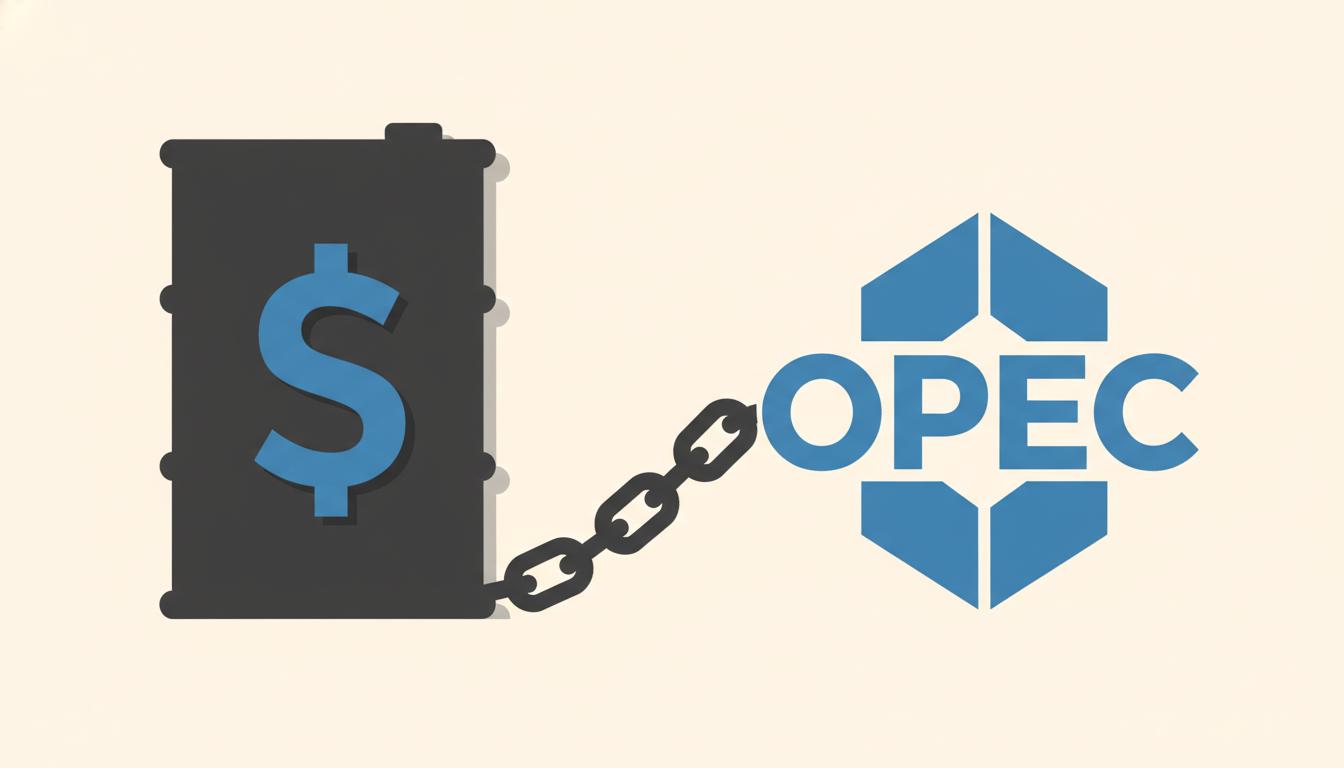
In the early 1970s, the global financial system faced an unprecedented crisis. The collapse of the Bretton Woods system had severed the U.S. dollar’s link to gold, leaving a void in the architecture of international finance and questioning the dollar’s future. It was out of this uncertainty that a new arrangement emerged, one that would redefine global economics for the next half-century.
This article delves into the petrodollar system history, explaining the geopolitical and economic forces that led to its creation. We will explore how an agreement forged in the wake of an oil crisis cemented the U.S. dollar’s dominance and shaped the modern global economy, a legacy that continues to influence international trade and finance today.
The Post-Bretton Woods Void: A Dollar Without a Gold Anchor
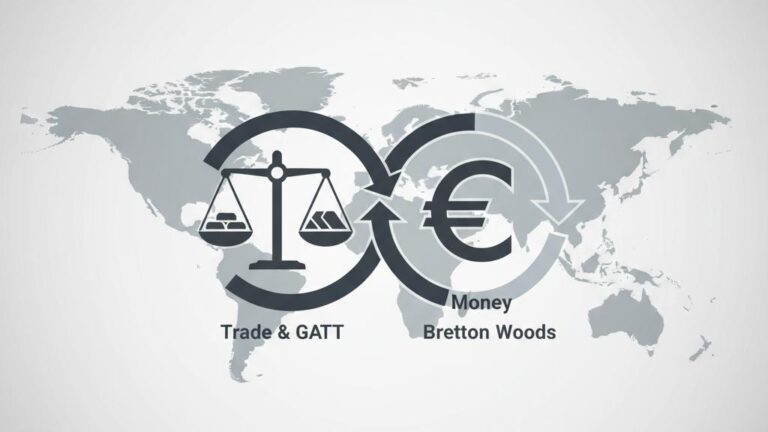
For decades, the global economy operated under the Bretton Woods system, a framework that pegged international currencies to the U.S. dollar, which was itself convertible to gold at a fixed rate of $35 per ounce. This arrangement provided stability and predictability in post-war international trade. However, by 1971, economic pressures led President Richard Nixon to unilaterally end the dollar’s direct convertibility to gold, an event often called the “Nixon Shock.”
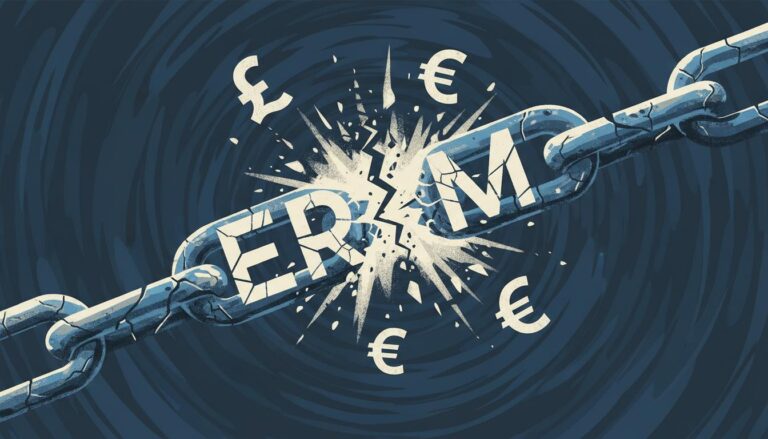
The demise of this gold standard created immense uncertainty. Without the backing of gold, the U.S. needed a new mechanism to ensure sustained global demand for its currency and maintain its central role in the world economy. The demise of the Bretton Woods system left a power vacuum, and U.S. policymakers began searching for an innovative way to anchor the dollar’s value.
The 1973 Oil Crisis: A Catalyst for Change
The search for a new anchor coincided with another global shock: the 1973 oil crisis. In response to Western support for Israel during the Yom Kippur War, the Organization of Arab Petroleum Exporting Countries (OAPEC) imposed an embargo on targeted nations, including the United States. This move caused a dramatic spike in oil prices and triggered widespread economic instability across the globe.
The crisis highlighted the immense geopolitical power of oil-producing nations, particularly Saudi Arabia, one of the world’s largest oil exporters. For the United States, this crisis presented both a challenge and an opportunity. It was the perfect moment to leverage its military and political influence to forge a new economic alliance that could secure both its energy supply and the dollar’s future.
Forging a New Alliance: The OPEC and US Dollar Agreement
In the midst of this global turmoil, the United States brokered a landmark agreement with Saudi Arabia in 1974. This pact formed the bedrock of the petrodollar system and was built on a straightforward yet powerful premise. The agreement had two primary components:
- Oil Priced in Dollars: Saudi Arabia agreed to price and sell its oil primarily in U.S. dollars. This meant any country wishing to buy Saudi oil would first have to acquire U.S. currency.
- Military and Economic Support: In return for this commitment, the U.S. offered Saudi Arabia substantial military protection, advanced weaponry, and economic aid.
This OPEC and US dollar agreement was a strategic masterstroke. Soon after Saudi Arabia’s decision, other OPEC nations followed suit, cementing the U.S. dollar’s role as the exclusive currency for global oil trade. This effectively replaced the gold standard with an “oil standard” for the dollar, ensuring its continued necessity in international markets.
How the Petrodollar System Works and Ensures Dollar Strength
The genius of the petrodollar system lies in its self-reinforcing cycle, which creates constant, artificial demand for the U.S. dollar. This mechanism underpinned post-Bretton Woods dollar strength and has profoundly impacted the global financial landscape. It functions through two key processes: global demand for oil and petrodollar recycling.
Creating Global Demand for the Dollar
Because oil is an essential commodity for virtually every nation, the requirement that oil price fixed in dollars forced countries worldwide to maintain significant reserves of U.S. currency. To purchase oil, nations like Japan, Germany, or China had to first buy U.S. dollars on foreign exchange markets. This created a permanent, built-in demand for the dollar, supporting its value regardless of the underlying health of the U.S. economy.
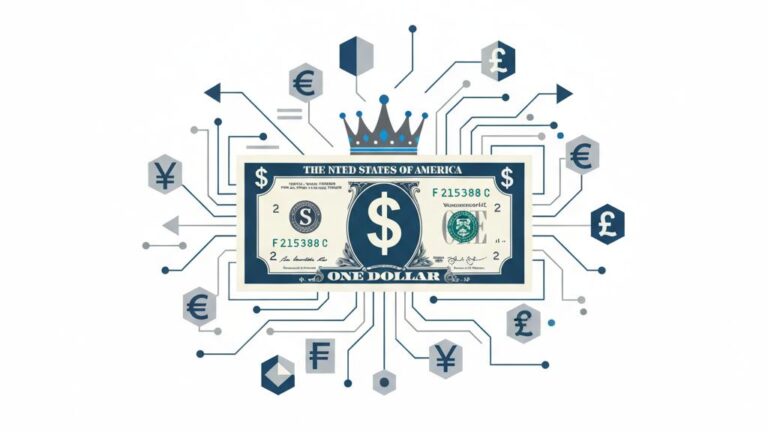
This arrangement solidified the U.S. dollar as the world’s primary reserve currency. Central banks around the world had no choice but to hold vast sums of dollars to ensure they could meet their energy needs, further enhancing the currency’s stability and influence.
Petrodollar Recycling: Reinvesting in the U.S. Economy
The surge in oil prices created enormous revenues for oil-exporting nations. This led to the second critical component of the system: petrodollar recycling. Oil-producing countries, flush with U.S. dollars, needed to invest their surplus revenues, often referred to as “petrodollars.”
A significant portion of these funds was “recycled” back into the U.S. economy through the purchase of dollar-denominated assets. This included:
- U.S. Treasury Securities: This helped finance the U.S. government’s budget deficits at lower interest rates than would otherwise be possible.
- U.S. Stocks and Bonds: Investment in American corporate assets provided capital for business expansion and innovation.
- Deposits in U.S. Banks: These deposits expanded the lending capacity of the American financial system.
This recycling process created a symbiotic relationship. Oil producers found a safe and liquid market for their wealth, while the U.S. benefited from a consistent inflow of foreign capital, keeping borrowing costs low and supporting government spending.
The Enduring Legacy and Future of the Petrodollar System
For nearly five decades, the petrodollar system has been a cornerstone of global finance and geopolitics. It has influenced everything from the growth of the Eurodollar market to the expansion of international lending. The system has been credited with providing a degree of economic stability in the post-Bretton Woods era, but it has also created vulnerabilities. Experts note that many developing nations accumulated large debts denominated in U.S. dollars, making them susceptible to fluctuations in American monetary policy.
While the system remains largely intact, its dominance is facing new challenges. In 2023, Saudi Arabia began selling some oil to China—the world’s largest oil importer—in Chinese yuan. This marked a significant, albeit small, departure from the dollar-only model and reflects shifting global trade dynamics. For more on the evolution of global currency standards, see the Federal Reserve History’s analysis of Bretton Woods.
Despite these shifts, the vast majority of oil transactions are still conducted in U.S. dollars. The petrodollar system continues to play a central role in the global economy, underscoring the enduring power of the history of the U.S. dollar as a reserve currency.
Frequently Asked Questions
What is the petrodollar system?
The petrodollar system is a global financial arrangement where oil is priced and traded almost exclusively in U.S. dollars. This creates sustained international demand for the dollar and reinforces its status as the world’s dominant reserve currency.
How did the petrodollar system start?
It began in the early 1970s following the collapse of the Bretton Woods system. The U.S. brokered an agreement with Saudi Arabia to price oil primarily in U.S. dollars in exchange for military protection, an arrangement that other OPEC nations soon adopted.
Why is oil priced in U.S. dollars?
Oil is priced in U.S. dollars due to the petrodollar agreement established in the 1970s. This arrangement ensures constant global demand for the dollar, as all nations need it to purchase oil, thereby supporting its value and status as the world’s primary reserve currency.
What is petrodollar recycling?
Petrodollar recycling is the process where oil-exporting nations reinvest their surplus oil revenues, which are in U.S. dollars, back into U.S. financial assets. This commonly includes purchasing U.S. Treasury securities, which helps finance U.S. government debt and supports the American economy.
Conclusion: A System Built on Oil and Dollars
The petrodollar system history is a story of strategic diplomacy born from economic crisis. By linking the world’s most critical commodity—oil—to its own currency, the United States ingeniously secured the dollar’s global dominance after detaching it from gold. This system created decades of demand for the dollar, financed U.S. deficits through petrodollar recycling, and fundamentally shaped modern geopolitics.
While emerging economic powers and new trade agreements are beginning to challenge its foundations, the petrodollar system remains a powerful force in the global economy. Understanding its origins is essential to grasping the intricate connections between energy, finance, and international power that define our world.