The History of the Eurodollar Market and Offshore Finance
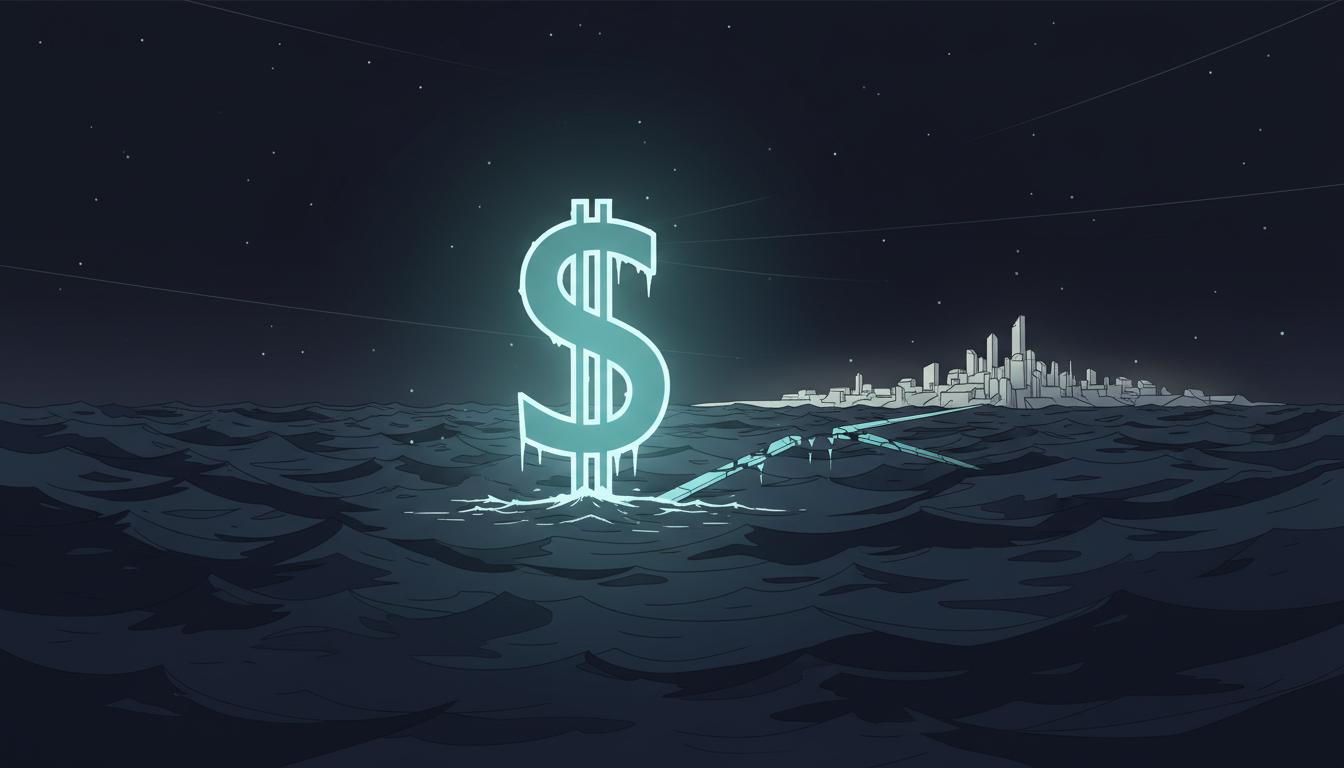
Imagine a vast, multi-trillion-dollar pool of U.S. currency operating almost entirely outside the control of the United States. This isn’t a financial thriller plot; it’s the reality of the Eurodollar system, a cornerstone of global finance born from a peculiar mix of Cold War paranoia, regulatory loopholes, and economic ingenuity. Understanding the eurodollar market history reveals how the modern offshore financial world was built, piece by piece.
At its core, a Eurodollar is simply a U.S. dollar-denominated deposit held in a bank outside the United States. This simple concept sparked a revolution, creating a parallel financial system that reshaped international trade, lending, and the very nature of money. Its story is one of unintended consequences, where geopolitical fears and the quest for higher returns created one of the most powerful and enigmatic markets in the world.
The Origins of the Eurodollar: Cold War and Regulation
The seeds of the Eurodollar market were planted in the economic landscape of the post-World War II era. The U.S. emerged as the world’s economic superpower, and the Marshall Plan, along with American export dominance, flooded Europe with U.S. dollars. This created a large reservoir of dollars on foreign soil, setting the stage for a new kind of banking.
The Soviet Catalyst: Fear of Asset Freezes
The true catalyst for the market’s creation came from an unlikely source: the Soviet Union. During the height of the Cold War in the 1950s, the USSR and its Eastern Bloc allies held significant U.S. dollar reserves earned from commodity exports. They were deeply concerned that the U.S. government might freeze their assets held in American banks.
To mitigate this risk, they began moving their dollar deposits to European banks. Key players in this initial phase included:
- Moscow Narodny Bank in London
- Banque Commerciale pour l’Europe du Nord (BCEN) in Paris
These Soviet-controlled European banks could hold dollars without the direct risk of a U.S. asset freeze. This geopolitical maneuver created the first significant pool of U.S. dollars held and traded entirely outside of America’s jurisdiction.
Regulatory Arbitrage: The Power of Regulation Q
While geopolitics provided the initial spark, U.S. domestic banking regulations fanned the flames. A key rule, known as Regulation Q, placed a cap on the interest rates that U.S.-based banks could offer on deposits. This created a powerful incentive for both depositors and banks to look elsewhere.
European banks, not bound by Regulation Q, could offer higher interest rates on U.S. dollar deposits, attracting a flood of capital from multinational corporations and wealthy individuals. At the same time, these offshore banks faced lighter regulation and no reserve requirements on these dollar deposits, allowing them to lend out the funds more profitably. This simple act of regulatory arbitrage made London and other European financial centers irresistible hubs for international dollar activity.
The Explosive Growth of the Eurodollar Market
What began as a niche solution for Soviet paranoia quickly morphed into a global financial powerhouse. Recent archival research suggests the first significant Eurodollar transactions appeared as early as 1955, but the market’s growth exploded in the 1960s and 1970s.
A Market Takes Off: The 1960s Boom
The numbers behind the market’s expansion are staggering. Between 1964 and 1969 alone, the Eurodollar market grew by over 250%. In 2020 U.S. dollars, this represented a jump from approximately $5 billion to $18 billion.
By the late 1960s, the total market was estimated at $13–16 billion in nominal terms. U.S. corporations, constrained by American capital controls like the Interest Equalization Tax of 1963, flocked to the Eurodollar market to access cheaper and more flexible funding for their overseas operations.
London Becomes the Hub of Offshore Finance
London quickly emerged as the undisputed center of this new market. The Bank of England adopted a policy of “benign neglect,” imposing minimal regulation on the U.S. dollar activities of banks operating within its borders. This light-touch approach, combined with London’s time zone, legal system, and deep pool of financial talent, made it the perfect incubator for the burgeoning offshore currency market.
The Petrodollar Effect
The 1973 oil crisis acted as a massive accelerant. As oil prices quadrupled, oil-exporting nations (OPEC) were inundated with vast sums of U.S. dollars, which came to be known as “petrodollars.” These nations needed a place to park their newfound wealth, and the Eurodollar market was the ideal destination.
They recycled these revenues into European banks, dramatically increasing the market’s liquidity and cementing its role as a primary intermediary in global capital flows.
Why Is It Called a Eurodollar?
The name “Eurodollar” is a historical artifact that reflects the market’s origins. Initially, the term specifically described U.S. dollar deposits held in European banks, primarily in London. The “Euro” prefix simply denoted the geographic location of the deposit.
However, as the market globalized, its name became something of a misnomer. Today, the term Eurodollar applies to any U.S. dollar deposit held in a bank outside the United States, whether that bank is in Tokyo, Singapore, or the Cayman Islands. Similar markets for other currencies also developed, such as the Euroyen and Euro-Swiss, using the same naming convention.
The Lasting Legacy of the Eurodollar System
The rise of the Eurodollar market was not just a side story in financial history; it fundamentally altered the global economic system. Its impact is still felt today in everything from exchange rates to the structure of the banking system.
Undermining the Bretton Woods System
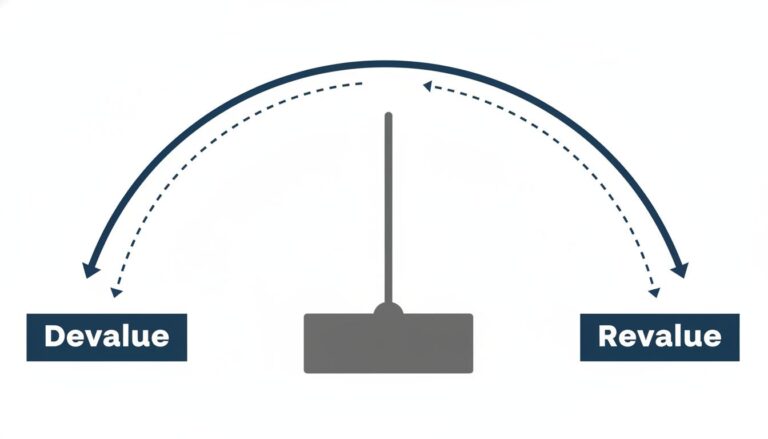
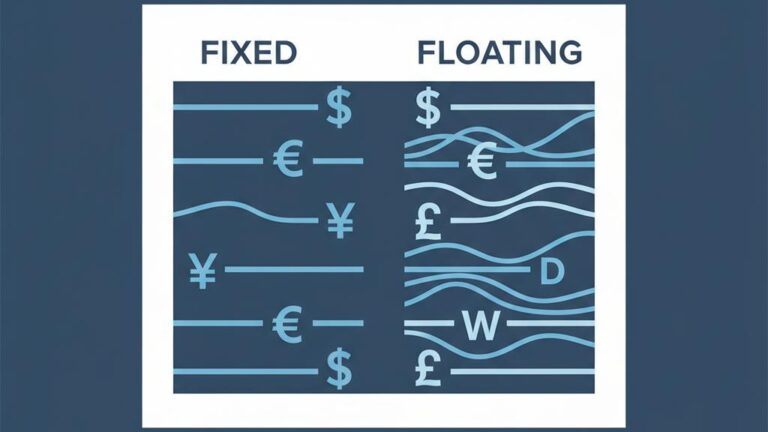
The massive, unregulated flow of U.S. dollars offshore played a critical role in the collapse of the Bretton Woods system. This post-war agreement had established a system of fixed exchange rates pegged to the U.S. dollar, which was in turn pegged to gold. As detailed by the Federal Reserve Bank of St. Louis, the Eurodollar market amplified U.S. dollar outflows, putting immense pressure on the peg and contributing to the eventual shift toward fixed vs. floating exchange rates in the early 1970s.
The Blueprint for Shadow Banking History
The Eurodollar market is often cited as the original “shadow banking” system. It performs many of the core functions of traditional banking—such as credit creation and maturity transformation—but operates outside the direct oversight of a single national regulator. Its model of regulatory arbitrage and offshore credit creation provided a template for the complex web of non-bank financial intermediaries that make up the modern shadow banking world.
Cementing the Dollar’s Global Reign
Ironically, a market designed to operate beyond America’s reach ended up cementing the dollar’s global dominance. The Eurodollar system created a deep, liquid, and efficient market for dollar borrowing and lending worldwide. This made the U.S. dollar indispensable for international trade and finance, reinforcing its status as the world’s primary reserve currency long after the gold standard was abandoned.
The Eurodollar Market Today
Far from a historical relic, the Eurodollar market remains a vital component of the global financial system. By the mid-1980s, the volume of offshore Eurodollars had already surpassed the total dollar deposits held within the United States.
Today, the market is immense, with outstanding Eurodollar deposits estimated to be around $13 trillion. It continues to be a primary source of international dollar liquidity for corporations, governments, and banks. Furthermore, Eurodollar interest rates and futures contracts serve as key global benchmarks for setting borrowing costs on everything from corporate loans to mortgages.
Frequently Asked Questions
Why is it called a ‘Eurodollar’?
The term originally described US dollars deposited in European banks, especially in London, outside the regulatory reach of the US. Over time, it expanded to mean any US dollar deposit held outside the US, regardless of its physical location.
How did the Eurodollar market start?
It began in the 1950s when the Soviet Union and other Eastern Bloc countries, fearing asset freezes, shifted their U.S. dollars from American banks to European ones. Financial incentives, like avoiding U.S. interest rate caps, accelerated its growth.
What effect did the Eurodollar market have on global finance?
It fundamentally reshaped global finance by making the US dollar the world’s dominant trading and reserve currency. It also turned London into a premier global financial hub, pioneered regulatory arbitrage, and laid the groundwork for the growth of offshore finance and modern shadow banking.
How large is the Eurodollar market today?
While exact figures are hard to pin down due to its unregulated nature, estimates place outstanding Eurodollar deposits at around $13 trillion. This makes it one of the largest and most important sources of global dollar liquidity.
Conclusion: An Unintended Revolution
The eurodollar market history is a powerful example of how finance innovates in response to regulation and geopolitical risk. Born from Cold War fears, it grew into a global behemoth that challenged the post-war financial order, created the template for offshore banking, and ultimately strengthened the very currency it sought to circumvent.
This massive, stateless pool of money remains a testament to the interconnected and often unpredictable nature of the global economy. It helped define the modern era of finance and solidified the U.S. dollar’s role as the indispensable currency of world commerce, a topic explored further in our guide to the dollar’s status after Bretton Woods.