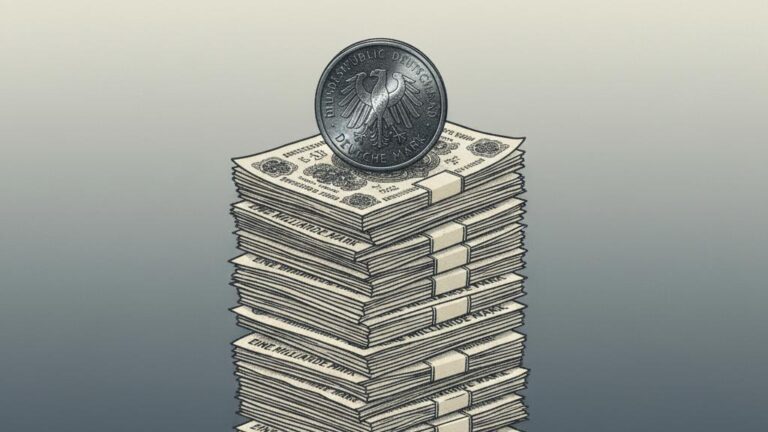
The Euro’s Impact on the German Economy: From DM to Euro
The introduction of the euro in 1999 was more than a simple currency swap for Germany; it was a profound economic pivot. Replacing the steadfast Deutsche Mark, a symbol of post-war recovery and stability, the euro integrated Germany into a vast monetary union, fundamentally reshaping its economic landscape. The euro impact on the German economy has been a subject of continuous debate, but a deep dive into the data reveals a story of immense, albeit complex, benefits.
Over two decades later, the evidence overwhelmingly shows that Germany has been one of the primary beneficiaries of the European single currency. From explosive export growth and enhanced price stability to deeper financial markets and lower borrowing costs, the euro has acted as a powerful engine for Europe’s largest economy, cementing its role as a global economic powerhouse.
From Deutsche Mark to Euro: A Monumental Transition
The transition from the Deutsche Mark (DM) to the euro was a massive undertaking, requiring a complete overhaul of the nation’s financial and administrative systems. Every aspect of public finance, from budgetary accounting to civil servant remuneration, had to be meticulously reconfigured for the new currency. This complex logistical challenge, however, paved the way for significant long-term economic gains.
The Economic Impact of the Deutsche Mark to Euro Conversion
The economic advantages of the conversion were transformative. German businesses suddenly gained access to a much broader and deeper European capital market, facilitating investment and growth. The elimination of currency risk within the Eurozone slashed transaction and hedging costs for Germany’s powerful export sector, making trade with its European neighbors seamless and more profitable.
The financial rewards have been significant. A study by the Centre for European Policy revealed that Germany gained nearly €1.9 trillion between 1999 and 2017 purely from its membership in the monetary union. This translates to approximately €23,000 for every German resident, underscoring the profound financial benefits of the single currency.
Navigating Hope and Skepticism: The German Euro Debate
Despite the eventual economic success, the euro’s introduction was not without controversy in Germany. The move was met with a potent mix of hope and deep-seated skepticism, rooted in both economic fears and cultural attachment to the legacy of the Deutsche Mark.
Initial Fears and Cultural Concerns
A significant portion of the German public feared that surrendering control over monetary policy to the new European Central Bank (ECB) would compromise the country’s hard-won price stability. The Deutsche Mark was more than just money; it was a potent symbol of Germany’s post-war “Wirtschaftswunder” (economic miracle) and a guarantor against inflation. Many worried that sharing a currency with nations perceived as less fiscally disciplined would import instability.
These concerns extended to the fear that Germany would inevitably be forced to underwrite the debts of weaker Eurozone economies, a sentiment that would resurface forcefully during the European sovereign debt crisis. Despite these anxieties, Germany has consistently acted as a “fiscal anchor” within the Eurozone, often advocating for strict fiscal discipline while simultaneously benefiting from the union’s stability mechanisms.
The Verdict: Is the Euro Bad for Germany?
Decades of economic data provide a clear answer: the euro has been overwhelmingly beneficial for the German economy. Most authoritative studies from institutions like the German Bundesbank and independent research centers conclude that the single currency has fueled growth, stabilized the economy, and enhanced Germany’s financial standing.
A Cascade of Economic Benefits
The positive outcomes are widespread and interconnected, demonstrating the multifaceted euro impact on the German economy. Key advantages include:
- Explosive Trade Growth: In the first few years of the monetary union, German exports to other Eurozone countries increased substantially, providing a powerful boost to GDP and employment.
- Enhanced Price Stability: Contrary to early fears, average inflation in Germany was generally lower and less volatile in the years following euro adoption compared to the preceding period under the DM.
- Lower Credit Costs: The creation of a single, deep euro-denominated bond market increased liquidity and competition, significantly reducing borrowing costs for German businesses and households.
- Elimination of Exchange Rate Risk: German companies can now invest, trade, and plan across 19 other countries without worrying about currency fluctuations, which reduces costs and fosters productivity.
- Direct Financial Gains: As a key global reserve currency, the euro generates significant seigniorage revenue (profit from issuing currency) for the German public budget, contributing up to 0.2% of GDP annually.
- Resilience Against Global Shocks: Being part of a large and diverse monetary union provides Germany with more stable demand sources, helping it better withstand global economic downturns.
The Euro’s Role in Germany’s Enduring Trade Surplus
One of the most crucial and unique benefits for Germany has been the euro’s effect on its trade balance. The history of the German trade surplus within the Eurozone is directly linked to the mechanics of the single currency.
Before the euro, Germany’s export success would often lead to a strengthening of the Deutsche Mark. This made German goods more expensive abroad and imports cheaper at home, naturally rebalancing the trade surplus. However, within the Eurozone, member countries cannot devalue their currencies to become more competitive against German exports. This structural feature has allowed Germany to maintain large, sustained trade surpluses with its neighbors, a key driver of its economic growth since the creation of the euro.
Navigating New Headwinds: Germany’s Economy Today
In recent years, the German economy has faced significant challenges, including slowed growth, high energy costs, and demographic pressures. However, it is crucial to note that these issues are rooted in structural factors and global events, not inherent flaws of the single currency. According to analysis from institutions like the Peterson Institute for International Economics, the euro continues to provide a stabilizing framework.
Despite recent sluggishness, Germany remains the Eurozone’s economic anchor, accounting for nearly 26% of the area’s economy with a per capita GDP around 19% above the Eurozone average. The benefits of frictionless trade, financial integration, and currency stability provided by the euro are more important than ever as Germany navigates these new economic realities.
Frequently Asked Questions
How did the euro replace the Deutsche Mark, and what was the economic impact on Germany?
The conversion required a nationwide financial overhaul but provided German businesses with a deeper capital market, lower transaction costs, seamless intra-Eurozone trade, and virtually eliminated currency risk.
What evidence shows the euro has benefited Germany economically?
Studies estimate Germany gained €1.9 trillion from the euro between 1999–2017, with higher GDP growth, increased exports, and more stable monetary conditions. The Bertelsmann Stiftung projects annual GDP growth has been about 0.4% higher than it would have been without the euro.
Why do some Germans remain skeptical about the euro?
Skepticism stems from fears about a loss of monetary control, economic risk-sharing with weaker Eurozone members, and a sentimental attachment to the Deutsche Mark. However, most economic evidence points to significant net benefits for Germany.
Does Germany’s trade surplus depend on the euro?
Yes, the euro is a key enabler. It allows Germany to sustain long-term trade surpluses within the Eurozone because member countries cannot devalue their individual currencies to counter German export competitiveness.
Has the euro contributed to recent slow growth in Germany?
Recent stagnation is primarily due to structural domestic factors (like an aging population and weak investment), not the euro. The single currency continues to support Germany’s exports, financial stability, and overall economic integration.
The Final Tally: A Resounding Economic Win for Germany
While the initial transition from the Deutsche Mark was met with valid concerns, the euro has proven to be a powerful catalyst for the German economy. It has amplified the nation’s export strengths, provided a stable monetary environment, and integrated Germany into the world’s second-largest economic bloc. The tangible gains in trade, wealth, and financial stability far outweigh the perceived loss of monetary sovereignty.
As Germany confronts new economic challenges, the euro remains a foundational pillar of its prosperity. The data-driven consensus is clear: calls for a return to the Deutsche Mark lack robust factual support. For Germany, the history and impact of the euro is, without question, a story of economic success.