The US Dollar and the Panama Canal: Currency in International Projects
The Panama Canal stands as one of the greatest engineering feats in modern history, a waterway carved through a continent to connect the world’s two largest oceans. But its legacy is not just one of concrete and steel; it’s also a profound story of economic power, international finance, and the enduring influence of a single currency. The relationship between the us dollar panama canal is a masterclass in how monetary policy can shape a nation’s destiny, entrenching American influence long after the construction crews departed.
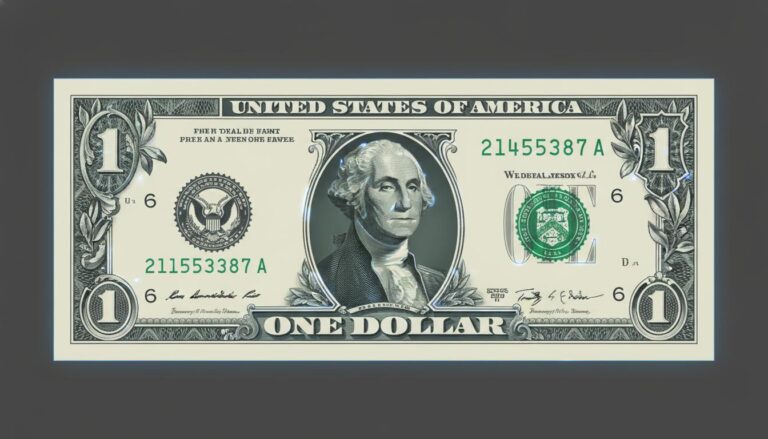
From the moment the United States took control of the canal project in 1904, the US dollar was woven into the fabric of Panama’s economy. This was no accident. The dollar financed the construction, paid the workers, and became the standard for collecting tolls, ultimately leading Panama to become one of the most stable, dollarized economies in the world. This history reveals how a major infrastructure project became a vehicle for currency dominance, with social and economic consequences that are still felt today.
The Canal’s Origins and US Financial Intervention
The story of the US dollar in Panama begins with the failure of a French-led effort to build the canal in the late 19th century. In 1904, the United States stepped in, purchasing the French project’s assets for $40 million. To secure the rights to the Canal Zone, the U.S. also paid the newly independent nation of Panama $10 million upfront, followed by an annual payment of $250,000.
This initial investment was just the beginning. The total cost to the United States, including construction, asset purchases, and compensation to both Panama and Colombia, eventually exceeded $500 million. In today’s terms, that’s equivalent to approximately $18 billion, making it the largest American engineering project of its era.
This massive expenditure required a stable, universally accepted currency to manage procurement, payroll, and international payments. The US dollar was the natural and strategic choice, setting the stage for its complete integration into the Panamanian economy.
The US Dollar in Panama: A Deep-Rooted Currency History
The panama canal currency history is unique. In 1904, shortly after gaining independence from Colombia and with the canal’s construction underway, Panama officially adopted the US dollar as its currency. This move, known as dollarization, was a pragmatic decision to facilitate the enormous financial scope of the canal project.
The Dollar and the Balboa
While Panama introduced its own coinage, the balboa, it made a critical decision: to never issue its own paper currency. Instead, the US dollar was established as legal tender by law.
- Panamanian balboa coins were minted to match the exact size and value of US coins (pennies, nickels, dimes, quarters).
- US dollars and balboa coins circulate interchangeably throughout the country to this day.
- All major commercial transactions, banking, and international trade are conducted in US dollars.
This decision provided immense monetary stability, insulated Panama from the currency crises that plagued other Latin American nations, and cemented its role as an international financial hub. The dollar became more than just a tool for the canal; it became the bedrock of the nation’s entire economic system.
Fueling a Global Waterway: Tolls and Revenue in US Dollars
From its inception, all financial operations of the Panama Canal have been conducted exclusively in US dollars. This was essential for a project serving global trade, as the dollar provided a reliable medium of exchange for shipping companies from around the world. The history of the US dollar as a reserve currency was already beginning, and its role in Panama was a key chapter.
Historical toll records highlight this long-standing policy:
- The very first toll for a commercial vessel was set at $1.20 per ton.
- A 1948 proclamation by President Harry S. Truman set the toll for merchant vessels at $1.08 per net ton, reinforcing the dollar’s central role. You can view this historical document at the Truman Library archives.
- The lowest toll ever paid was a mere 36 cents, charged to adventurer Richard Halliburton, who swam the length of the canal in 1928.
Today, the Panama Canal Authority continues to set and collect all tolls in US dollars. Recent toll hikes, driven by global shipping trends and canal expansion projects, are still denominated in USD, underscoring the currency’s unwavering importance to this vital trade artery.
Silver Roll vs Gold Roll: Currency, Race, and Segregation
One of the darkest chapters in the canal’s history is the discriminatory payroll system known as the silver roll vs gold roll. This system used currency as a tool for racial and social segregation, creating a deeply divided workforce.
The system was starkly stratified:
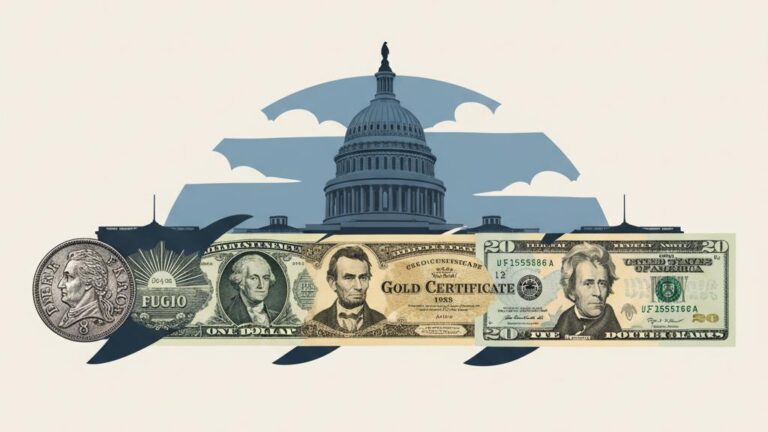
- The ‘Gold Roll’: This payroll was for American and other white workers. They were paid in U.S. currency, received higher wages, and were given superior housing, healthcare, and other privileges.
- The ‘Silver Roll’: This included West Indian laborers and other non-white workers. They were paid at a much lower rate in local silver coin or Panamanian balboas and were denied the benefits and opportunities afforded to their white counterparts.
This blatant discrimination is a powerful example of the history of us influence on foreign currency intersecting with colonial attitudes and systemic racism. The choice of currency was not just an economic decision; it was a mechanism to enforce a rigid social hierarchy, leaving a painful legacy that historians recognize as a case study in money, race, and imperialism.
The Enduring Legacy: The Dollar’s Role in Modern Panama
The 1977 Panama Canal Treaties initiated a gradual transfer of the canal to Panamanian control, which was completed on December 31, 1999. However, the handover of administrative power did not change the canal’s financial foundation. The us dollar panama canal connection remains as strong as ever.
Panama continues to be a fully dollarized economy for several key reasons:
- Stability: The US dollar provides a stable monetary environment, protecting the economy from inflation and attracting foreign investment. This stability reinforces the dollar’s reputation as a safe-haven currency for smaller economies.
- International Trade: As a global logistics hub, Panama benefits immensely from using the world’s primary trade currency.
- Reputation: Dollarization bolsters Panama’s status as a reliable and transparent international banking and service center.
Major recent infrastructure projects, like the $5.25 billion canal expansion completed in 2016, were financed, priced, and reported in US dollars. Even under full Panamanian authority, the dollar remains the undisputed currency of the canal and the nation it defines.
Conclusion
The story of the Panama Canal is inseparable from the story of the US dollar’s rise as a global financial instrument. The decision to use the dollar was initially a practical one, born from the need to manage a colossal international project. However, it evolved into a powerful tool of economic influence that fundamentally shaped Panama’s economy, its social structure through systems like the ‘gold roll’ and ‘silver roll’, and its enduring position in the global market.
Today, Panama stands as the most prominent and long-lasting example of dollarization directly linked to American foreign policy and engineering. The canal, now operated by Panama, continues to conduct its multibillion-dollar business in USD, a lasting testament to a monetary legacy carved in stone and water over a century ago. This history is a crucial part of understanding the broader story of how the US dollar became the world’s reserve currency.
Frequently Asked Questions
Why does Panama use the US dollar instead of its own national currency?
Panama adopted the US dollar in 1904 to ensure currency stability and facilitate international payments, especially for the Panama Canal’s construction and operation. The US dollar remains legal tender and central to Panama’s economy, with only balboa coins (but no paper currency) circulating alongside US currency.
How were workers paid during the Panama Canal construction, and what was the ‘silver roll vs gold roll’?
The US canal administration instituted a dual system: the ‘gold roll’—Americans and other whites—were paid in U.S. currency, with higher pay and better benefits, while the ‘silver roll’—nonwhite workers, mostly West Indians—were paid lower wages in silver coin or local coins, illustrating racial and economic segregation.
Are tolls for using the Panama Canal still paid in US dollars today?
Yes. Tolls for transiting the Panama Canal have always been denominated in US dollars and continue to be set exclusively in USD by the Panama Canal Authority, reflecting the canal’s global commercial orientation.
What is the lowest toll ever paid for transiting the Panama Canal?
The lowest toll ever paid was 36 cents, by American Richard Halliburton, who swam the canal in 1928.