The Asian Dollar Market: Finance in the Shadow of Bretton Woods

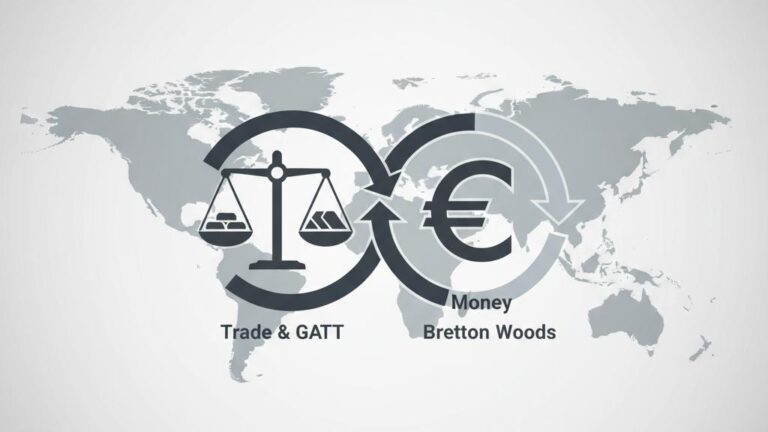
In the decades following World War II, the global financial system operated under the strict rules of the Bretton Woods agreement, a framework designed to ensure stability. Yet, in the shadows of this official system, innovative and unregulated markets began to emerge, creating new channels for capital to flow across borders. The asian dollar market history begins here, as a pivotal chapter in the rise of offshore finance that would reshape the economic destiny of an entire continent.
The Asian Dollar Market was an offshore market for US dollars, primarily centered in Singapore, that launched in 1968. Modeled after Europe’s successful Eurodollar market, it allowed international banks and corporations to transact in dollars free from US regulations, ultimately channeling vast pools of capital into Asia’s rapidly growing economies and establishing Singapore as a global financial powerhouse.
The Blueprint: How the Eurodollar Market Paved the Way
To understand the Asian Dollar Market, one must first look to its direct precursor: the Eurodollar market. This revolutionary concept set the stage for the offshore financial system that would later flourish in Asia.
What Was the Eurodollar Market?
The Eurodollar market, which began in the 1950s, refers to deposits of US dollars held in banks outside the United States, with London as its primary hub. This market emerged organically as a response to geopolitical tensions and regulatory constraints. It allowed holders of US dollars—including governments, corporations, and wealthy individuals—to keep their funds in dollars but outside the direct jurisdiction of American financial authorities.
The key appeal was freedom from US regulations like reserve requirements and interest rate caps. This regulatory arbitrage made the market highly efficient and attractive, contributing to greater global liquidity and financial innovation. It was a crucial development that challenged the rigidity of the Bretton Woods system and demonstrated the immense demand for a more flexible, internationalized financial architecture.
Singapore’s Strategic Gambit: The Birth of the Asian Dollar Market History
While the Eurodollar market thrived in Europe, Asia lacked a similar mechanism to pool and deploy regional savings. In the late 1960s, Singapore’s visionary policymakers saw an opportunity to change that, creating a financial hub from the ground up.
A Bold Initiative in 1968
The Asian Dollar Market, sometimes called the Asia Dollar Market, was officially launched in Singapore in 1968. The initiative was championed by forward-thinking leaders like J.D. van Oenen of Bank of America and Singaporean statesman Dr. Goh Keng Swee. Their goal was twofold: to create a mechanism to channel the region’s considerable savings into productive local investments and to diversify Singapore’s economy beyond trade and manufacturing.
To achieve this, the Singaporean government implemented a series of proactive policies, including crucial tax incentives and a clear regulatory framework that gave international banks the confidence to participate.
Why Singapore Succeeded Where Hong Kong Hesitated
At the time, Singapore was not the obvious choice to host such a market. Hong Kong was the region’s dominant banking center. However, when approached with the idea, Hong Kong’s authorities declined, fearing that an offshore market would create regulatory complexities and compete with local banking interests.
This hesitation created a critical opening. Singapore seized the moment, offering what Hong Kong would not: a clear, welcoming, and incentivized environment for offshore finance. This case of regulatory competition demonstrates how strategic government policy can decisively shape the destiny of international financial centers.
The Asian Currency Unit (ACU): An Ingenious Structure
A cornerstone of Singapore’s model was the creation of Asian Currency Units (ACUs). These were not separate banks but special accounting departments within existing financial institutions, authorized to accept deposits and make loans in foreign currencies to non-residents.
This compartmentalized structure was a stroke of genius. It effectively created a firewall, separating the high-volume, unregulated offshore dollar market from Singapore’s domestic banking system. This innovation minimized potential risks to the local monetary supply while still encouraging a massive inflow of foreign capital.
Explosive Growth and Lasting Economic Impact
Once established, the Asian Dollar Market grew at a staggering pace, transforming Singapore’s economy and providing the financial fuel for regional development.
A Decade of Unprecedented Growth
The market’s expansion throughout the 1970s was nothing short of explosive. Driven by the liberalization of exchange controls and attractive fiscal policies, funds poured in from multinational corporations, overseas investors, and other financial institutions. The numbers speak for themselves:
- By June 1977, the gross size of the Asian Dollar Market in Singapore reached US$18.8 billion.
- During the 1970s, the market sustained an average annual growth rate of 32%.
These funds were not idle; they were deployed across the region to finance international trade, support manufacturing growth, and fund large-scale development projects.
A Vital Component of Asian Finance
While the Asian Dollar Market remained smaller than its European counterpart—representing about 5% of the global Eurodollar market by 1983—its regional impact was immense. It cemented Singapore’s status as a premier international finance center, a position it still holds today. More importantly, it laid the foundation for the development of the broader Asian bond and currency markets in the decades that followed, creating a deeper and more resilient financial ecosystem.
Global Connections: Petrodollars and the Rise of Offshore Finance
The success of the Asian Dollar Market was not just a regional story; it was deeply intertwined with major global economic trends, including the rise of the petrodollar system origins and the broader shift toward offshore finance.
The Role of Petrodollar Recycling
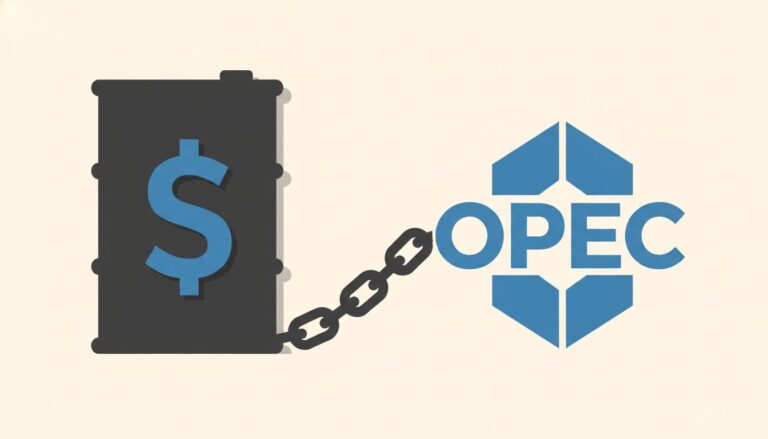
The oil shocks of the 1970s led to oil-exporting nations accumulating vast reserves of US dollars, known as petrodollars. These nations needed a place to invest their newfound wealth, and the offshore dollar markets in London and Singapore were ideal destinations. The recycling of these petrodollars through global financial markets provided a massive source of liquidity that benefited all offshore centers, fueling further growth in the Asian Dollar Market and strengthening the role of the US dollar as the world’s primary reserve currency.
Challenges of an Offshore World
The rapid growth of offshore finance also brought new challenges. By the 1980s, international bodies like the Bank for International Settlements (BIS) began expressing concerns about the lack of transparency and potential systemic risks associated with these markets. This led to increased external pressure for greater oversight and information sharing, a tension between regulatory freedom and financial stability that continues to define offshore finance today.
The Market’s Legacy and Modern Relevance
Over half a century after its creation, the legacy of the Asian Dollar Market is evident in the maturity and dynamism of Asia’s financial landscape.
A Test of Resilience
The region’s interconnected banking systems and reliance on foreign capital were severely tested during the 1997 Asian Financial Crisis. The crisis exposed vulnerabilities in currency pegs and offshore banking structures, prompting significant reforms across the region. As documented by institutions like the Reserve Bank of Australia, this period of turbulence ultimately led to stronger and more resilient financial systems.
Enduring Influence on Asian Bond Markets
Today, the pioneering work of the Asian Dollar Market lives on in the deep and liquid Asian currency and bond markets. Singapore remains a key hub for foreign currency finance, building on its early embrace of offshore structures. The market’s scale is immense, with a report from the International Capital Market Association (ICMA) noting that Asian international bond issuance reached US$380 billion in 2023.
This vibrant market, a direct descendant of the original Asian Dollar Market, continues to finance economic growth and integration across the world’s most dynamic region.
Frequently Asked Questions
What is the Asian Dollar Market?
The Asian Dollar Market is an offshore market for US dollar deposits and loans, primarily centered in Singapore, enabling non-resident transactions outside domestic banking regulations.
Why did the Asian Dollar Market originate in Singapore rather than Hong Kong?
Singapore’s proactive government policies, regulatory incentives, and willingness to attract offshore banking led to its development as the regional center, while Hong Kong initially declined to participate due to concerns over regulatory complexity.
How did the Asian Dollar Market impact Asia’s financial sector?
It internationalized Asia’s finance industry, attracted foreign capital, spurred economic growth, and contributed to the development of robust regional bond and currency markets.
How is the Asian Dollar Market related to the Eurodollar and Petrodollar systems?
The Asian Dollar Market was modeled after the Eurodollar market’s offshore structure and benefited from global dollar flows, including those linked to oil-exporting countries recycling petrodollars.
What role does the Asian Dollar Market play today?
It remains central to Asia’s international finance ecosystem, with Singapore as a leading hub for offshore dollar and bond markets, continuing to support regional economic and financial integration.
Conclusion
The history of the Asian Dollar Market is a compelling story of strategic foresight, regulatory innovation, and economic transformation. Born from a bold decision by Singaporean policymakers, it created a vital financial artery that fueled Asia’s economic miracle. By adapting the Eurodollar model, Singapore not only built itself into a global financial powerhouse but also provided a blueprint for other emerging economies.
Its legacy is a testament to how creative policy and an understanding of global capital flows can alter economic destinies. This pioneering offshore market played an indispensable role in the complex transition away from rigid currency controls toward the dynamic, interconnected global financial system we know today, a topic explored further in the history of fixed vs. floating exchange rates.