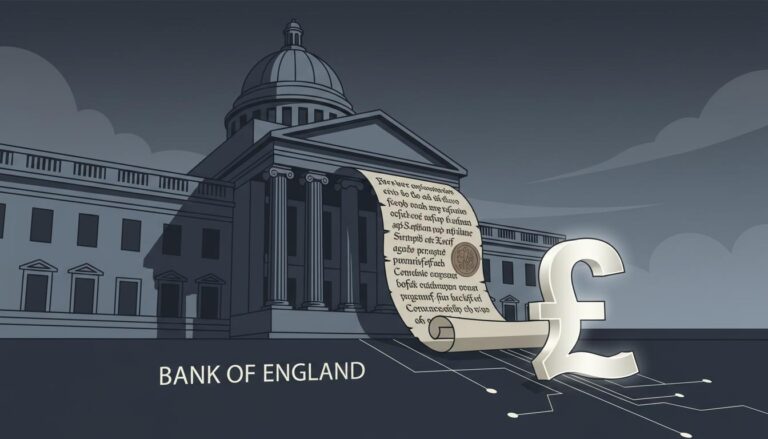
The Pound and the Euro: Why the UK Never Adopted the Single Currency
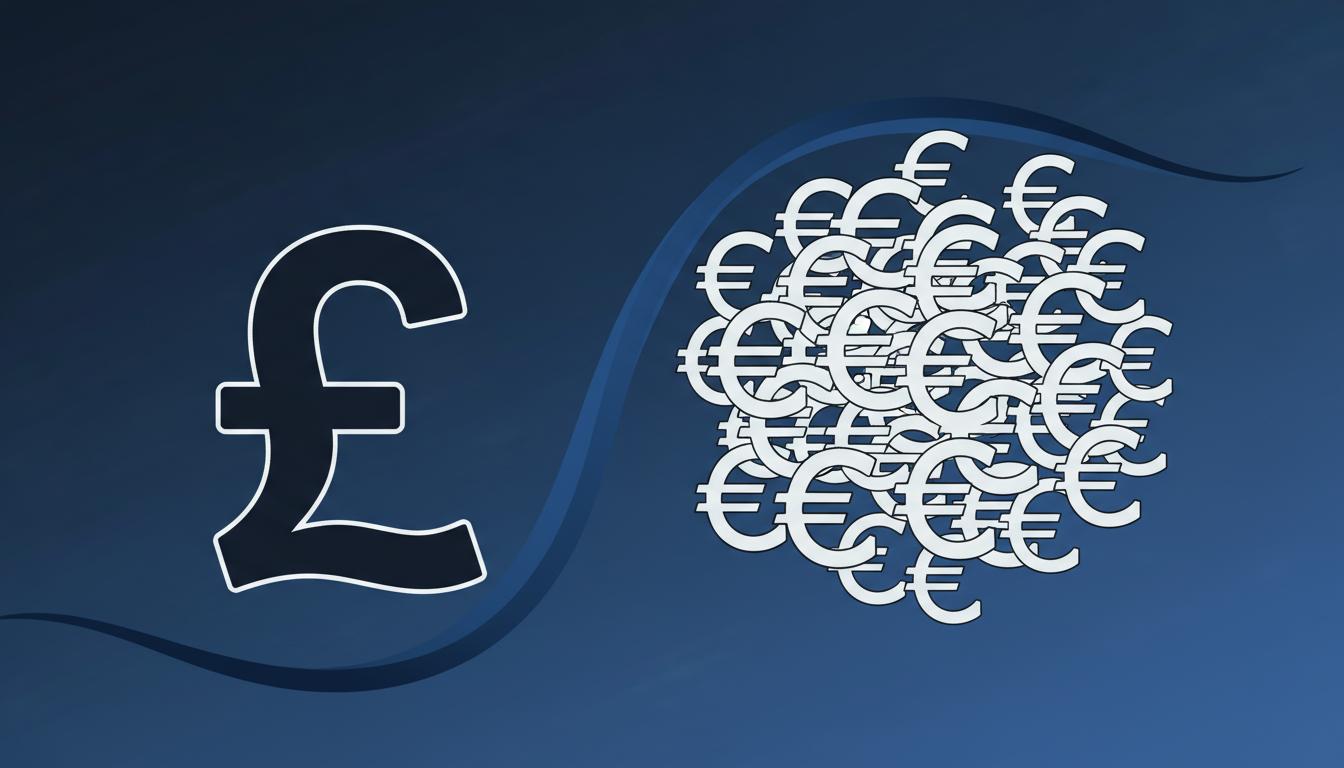
For decades, a central question lingered over the United Kingdom’s relationship with Europe: would it ever trade the historic pound sterling for the euro? Despite being a key member of the European Union for nearly half a century, the answer was always a definitive no. Understanding why the UK never adopted the euro requires looking at a complex mix of economic calculation, deep-seated political debates, and a powerful sense of national identity tied to its currency.
The decision was not a single event but a long process shaped by historical precedents, legal opt-outs, and strict economic conditions that were never met. From traumatic economic events to unwavering public opinion, the UK forged a path separate from the Eurozone, a choice that ultimately foreshadowed its departure from the EU itself.
The Historical Divide: A Tale of Two Currencies
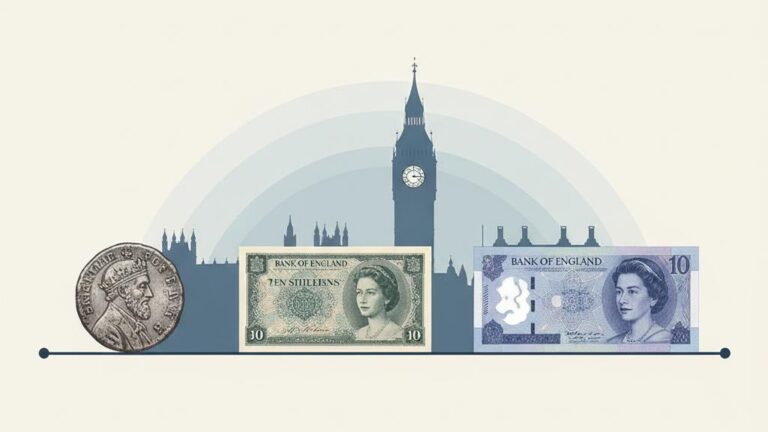
The story begins with the profound difference between the two currencies. The pound sterling is one of the world’s oldest currencies still in use, a powerful symbol of British sovereignty and economic history. For many, its existence is deeply intertwined with the UK’s national identity.
In contrast, the euro was born from a political and economic project to unify Europe. Introduced between 1999 and 2002, its adoption required member states to give up their national currencies as a step toward deeper integration. While many nations embraced this vision, the UK’s attachment to the pound was a significant early hurdle. This unique history of the pound sterling made its potential replacement a deeply sensitive and political issue from the start.
Securing the Opt-Out: The UK’s Unique Legal Position
The UK’s path diverged legally from its European partners during the landmark negotiations for the 1992 Maastricht Treaty. While this treaty laid the groundwork for the creation of the euro, the UK government, under Prime Minister John Major, secured a crucial concession: a formal opt-out from joining the single currency.
This legal provision meant that, unlike most other EU members, the UK was not obligated to adopt the euro. Instead, it retained the sovereign right to decide if and when to join, subject to its own domestic procedures, including parliamentary approval and a public vote. The Maastricht Treaty thus cemented the UK’s special status, allowing the euro debate to continue for years without forcing the country’s hand.
The Five Economic Tests: A Hurdle Too High for the UK’s Euro Referendum
To provide a structured and objective basis for any future decision, the UK government under Prime Minister Tony Blair introduced “five economic tests” in 1997. Devised by then-Chancellor of the Exchequer Gordon Brown, these tests were designed to assess whether adopting the euro would be beneficial for the British economy. The government promised it would only recommend joining if these conditions were clearly met, followed by a public referendum.
The five tests were as follows:
- Sustainable Convergence: Could the UK’s economy align with the Eurozone’s on a long-term basis without economic shocks?
- Economic Flexibility: If problems emerged, would there be enough flexibility in the economy to handle them?
- Investment Impact: Would joining the euro encourage businesses to invest more in the UK?
- Financial Services Impact: What effect would it have on the UK’s vital financial services industry?
- Growth and Employment: Would adopting the euro promote higher economic growth, stability, and a long-term increase in jobs?
HM Treasury conducted formal assessments of these tests in 1997 and again in 2003. On both occasions, the conclusion was the same: the tests had not been met. The significant structural differences between the UK and Eurozone economies made sustainable convergence too risky, effectively halting any move toward a referendum.
Economic Reasons Against the Euro UK: Why Caution Prevailed
Beyond the five tests, several core economic arguments consistently fueled skepticism against the euro. These concerns were rooted in economic theory and past experiences, forming the bedrock of the UK’s decision to abstain.
Loss of Monetary Policy Control
The most significant economic objection was the loss of sovereignty over monetary policy. Adopting the euro would mean transferring control over interest rates from the Bank of England to the European Central Bank (ECB) in Frankfurt. Critics argued that the Bank of England was best placed to set rates that suited the specific needs of the UK economy, such as controlling inflation or stimulating growth. Ceding this power to the ECB, which had to manage the diverse needs of the entire Eurozone, was seen as an unacceptable risk.
Incompatible Economic Cycles
The UK economy was seen as fundamentally different from many of its continental counterparts. It had a different business cycle and a unique sensitivity to interest rate changes, particularly within its housing market, where variable-rate mortgages were more common. A “one-size-fits-all” monetary policy from the ECB could, for example, lead to interest rates that were too high for the UK during a downturn or too low during a boom, potentially causing instability. As explained by the World Economic Forum, this structural divergence was a major concern for policymakers.
The Lingering Shadow of ‘Black Wednesday’
Confidence in European monetary integration was severely damaged by the UK’s disastrous experience with the Exchange Rate Mechanism (ERM), a precursor to the euro. The UK joined the ERM in 1990 but was forced into a humiliating withdrawal on September 16, 1992—a day known as ‘Black Wednesday’.
On that day, the government was unable to keep the pound above its agreed-upon lower limit against the Deutsche Mark, despite spending billions in foreign currency reserves and raising interest rates dramatically. The event cost UK taxpayers billions and became a powerful symbol of the dangers of fixed exchange rate systems. This traumatic financial event, detailed in the history of Black Wednesday 1992, created lasting skepticism about ceding control over the UK’s currency.
The Fierce Political Debate and Public Opinion on the Euro
The question of the euro was never just an economic one; it was a deeply political and emotional issue. The political debate on the euro in the UK was deeply divisive, often serving as a proxy for the wider argument about Britain’s relationship with Europe.
While some pro-European figures in the Labour Party were open to the idea, opposition from the Conservative Party and a growing Eurosceptic movement was powerful and persistent. The media played a significant role, with many newspapers framing the debate as a choice between national independence and European federalism. Ultimately, public sentiment was the deciding factor. Opinion polls consistently showed that a clear majority of the British people opposed replacing the pound, viewing it as a vital symbol of their independence.
Brexit: The Final Verdict on the Euro
Any lingering prospect of the UK adopting the euro was permanently extinguished by the 2016 referendum on EU membership. The decision to leave the European Union, or Brexit, closed the door on monetary union for the foreseeable future. With the UK’s formal departure from the EU in 2020, adopting the euro became impossible, as membership in the Eurozone is only open to EU member states.
Interestingly, despite the UK’s non-participation, the euro is officially used in the British sovereign base areas of Akrotiri and Dhekelia in Cyprus and is widely accepted in territories like Gibraltar and parts of Northern Ireland, showing a complex monetary reality on the ground.
Conclusion: A Calculated Decision to Retain Control
The story of why the UK never adopted the euro is one of calculated caution. It was a multifaceted decision driven by a desire to retain economic control, a deep-seated skepticism shaped by events like ‘Black Wednesday’, and a strong public attachment to the pound sterling as a symbol of national sovereignty. The five economic tests provided a formal justification, but the political and public will to make such a monumental change was never present.
With Brexit now a reality, the long-running debate over the pound versus the euro has been settled. The UK has chosen a separate economic path, making its decision to keep the pound a defining feature of its modern history.
Frequently Asked Questions
Why did the UK not join the euro?
The UK did not join the euro due to a combination of factors. These included economic concerns about losing control over monetary policy, incompatible economic cycles with the Eurozone, and the negative experience of ‘Black Wednesday’ in 1992. This was coupled with persistent political resistance and public opposition to replacing the pound.
What were the UK’s five economic tests for joining the euro?
The five tests were a set of criteria to assess if euro adoption would be beneficial. They evaluated: 1) sustainable economic convergence, 2) economic flexibility, 3) the impact on investment, 4) the effect on the financial services industry, and 5) whether it would improve economic growth and employment. Official reviews in 1997 and 2003 concluded these tests were not met.
Did the UK ever hold a referendum on joining the euro?
No, the UK never held a referendum on euro entry. A referendum was promised only if the government’s five economic tests were met. Since government analysis repeatedly concluded the conditions were not right, a public vote was never called.
What happened during ‘Black Wednesday’?
On September 16, 1992, the UK was forced to withdraw from the European Exchange Rate Mechanism (ERM) after it failed to keep the pound’s value within agreed-upon limits. The event cost the country billions of pounds and severely damaged British confidence in fixed-currency regimes and future European monetary integration.
Can the UK adopt the euro after Brexit?
No, after leaving the European Union in 2020, the UK cannot adopt the euro. Membership in the Eurozone is only available to EU member states, so the UK would have to rejoin the EU first to even consider adopting the single currency.