Currency Conversion After German Reunification: East to West
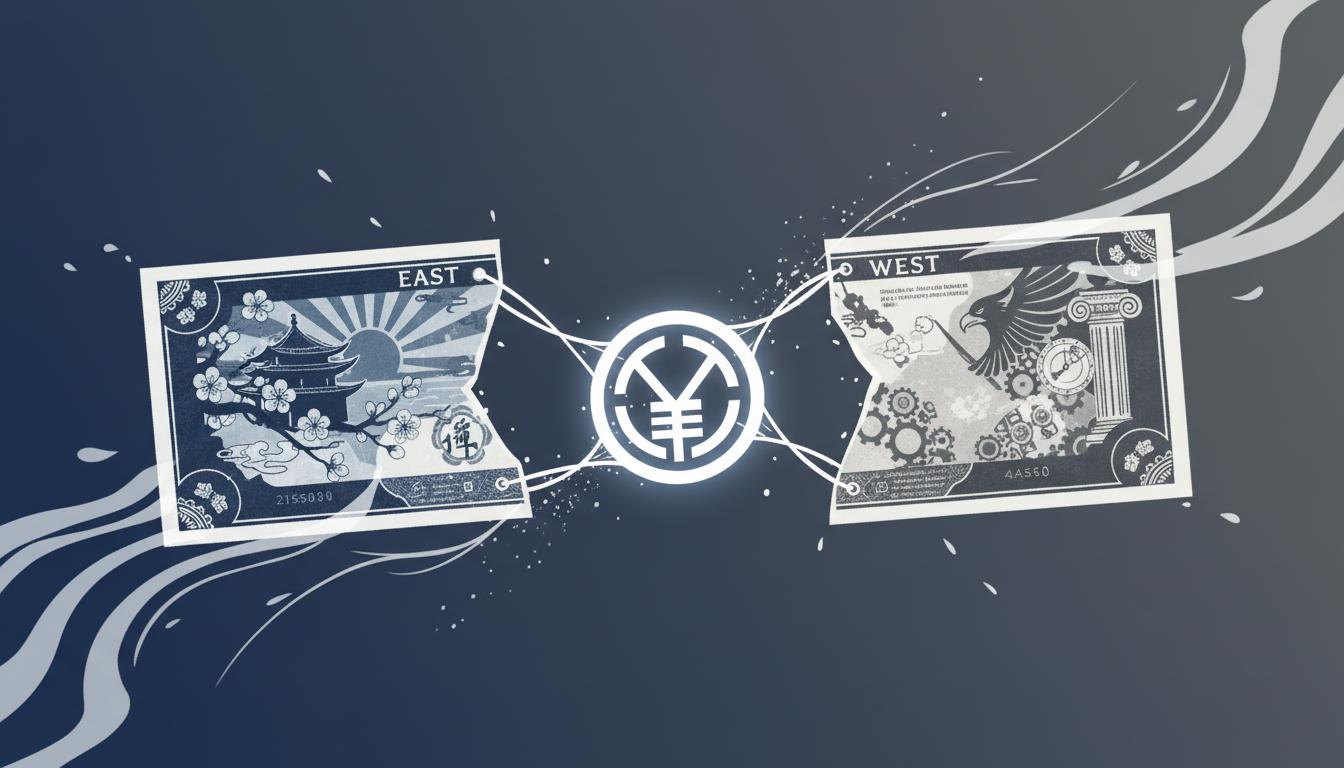
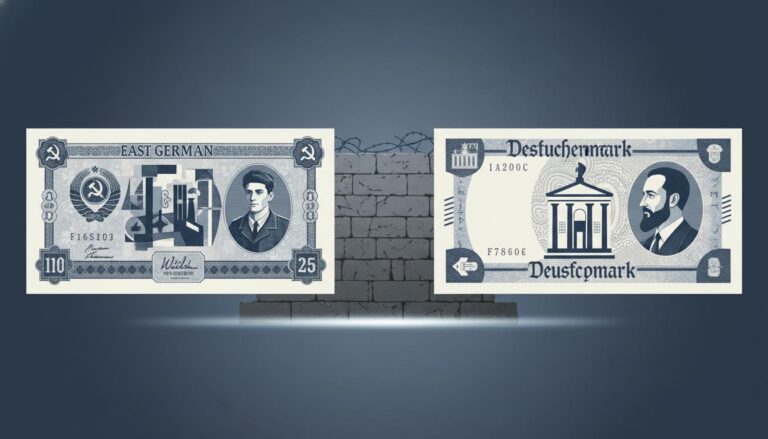
The fall of the Berlin Wall in November 1989 was a moment of pure euphoria, but the months that followed presented a monumental challenge: how to merge two vastly different German states. A pivotal step in this process was the german reunification currency conversion, an unprecedented economic event that replaced the East German Mark with the powerful West German Deutsche Mark overnight, forever changing the daily lives of 16 million people.
On July 1, 1990, the German Democratic Republic (GDR) adopted the Deutsche Mark, a move that symbolized both the promise of prosperity and the harsh realities of economic integration. This rapid transition, often described as economic “shock therapy,” involved a complex system of exchange rates and had profound, long-lasting consequences for the newly unified nation.
The Foundation: The State Treaty on Monetary, Economic and Social Union
The legal framework for this historic currency swap was the State Treaty on Monetary, Economic and Social Union. This critical document was signed on May 18, 1990, by the finance ministers of West Germany (Theo Waigel) and East Germany (Walter Romberg).
Formally known as the Vertrag über die Schaffung einer Währungs-, Wirtschafts- und Sozialunion zwischen der Deutschen Demokratischen Republik und der Bundesrepublik Deutschland, the treaty came into force just 44 days later. It effectively dissolved the GDR’s socialist planned economy and integrated it into West Germany’s social market economy system, laying the groundwork for political reunification.
Decoding the German Reunification Currency Conversion Rates
A central and highly debated element of the monetary union was the exchange rate policy. Instead of a single rate, the government implemented a differentiated system to balance political promises with economic realities. This policy distinguished between personal savings and recurring payments like wages and pensions.
Savings: A Tiered Approach Based on Age
For personal savings held in bank accounts, the conversion from the East German Mark (often called the “Ossie Mark”) to the Deutsche Mark followed a tiered structure based on the account holder’s age:
- Children (up to 14 years old): Could convert up to 2,000 GDR marks at a favorable 1:1 rate.
- Working-age adults (15 to 59 years old): Could convert up to 4,000 GDR marks at a 1:1 rate.
- Senior citizens (60 years and older): Could convert up to 6,000 GDR marks at a 1:1 rate.
Any savings amounts exceeding these specific thresholds were converted at a less favorable rate of 2 GDR marks to 1 Deutsche Mark. This policy led to “family councils” where families strategized to reallocate their savings among different family members to maximize the amount converted at the 1:1 rate.
Wages, Pensions, and Rents: A Uniform 1:1 Exchange
In a move designed to prevent social hardship and honor popular demand, all recurring payments were converted at a flat 1:1 rate. This included wages, salaries, rents, and pensions. While politically popular, this decision went against the advice of leading economists, including Germany’s central bank, the Bundesbank, who feared it would cripple East German industry by making its products uncompetitively expensive overnight.
The Monumental Logistics of an Overnight Switch
Implementing the currency conversion was a logistical masterpiece of unprecedented scale. Staff from the West German Bundesbank worked tirelessly with their counterparts at the GDR State Bank to bridge the gap between two incompatible accounting systems and prepare for the massive switch.
The operation involved:
- Standardizing cashless payment systems.
- Organizing police protection for massive cash shipments across the border.
- Preparing bank branches to handle the overwhelming public demand.
At the stroke of midnight on July 1, 1990, approximately 24.7 million bank accounts belonging to the GDR’s 16 million citizens were converted to Deutsche Mark. The public response was immediate and emotional. Long queues formed outside banks across East Germany, with a particularly historic line at Alexanderplatz in East Berlin, as people eagerly withdrew their very first Deutsche Mark banknotes—a tangible piece of a long-awaited future.
The Economic Impact of Reunification: Shock Therapy and Its Aftermath
The monetary union did more than just introduce a new currency; it abruptly introduced a capitalist framework to a state-controlled economy. This “shock therapy” brought fundamental principles like free competition, free price formation, and the right to private property to East Germany.
The economic impact was immediate and profound:
- Consumer Goods Transformation: On July 3, 1990, Western goods flooded the shelves of East German stores. However, this meant many familiar East German products, unable to compete, disappeared almost overnight.
- Price Increases: The prices of many goods, especially food, rose sharply, creating new financial pressures for many East German households.
- Industrial Collapse: The generous 1:1 conversion rate for wages, combined with low productivity, made many East German businesses instantly uncompetitive. This led to widespread deindustrialization and unemployment in the years that followed.
The integration of a socialist economy into a capitalist one was historically unprecedented, offering no clear roadmap. To manage the transition, massive financial transfers were made from west to east. Between 1990 and 1995 alone, an estimated DM750 to DM850 billion in public and private funds were invested in eastern Germany.
A Symbol of Freedom: The Power of the D-Mark
For decades, the Deutsche Mark was more than just money to East Germans; it was a potent symbol of freedom, prosperity, and the Western world. Long before reunification, it circulated as a “shadow currency” within the GDR, used to acquire scarce goods or Western products in state-sanctioned “Intershops.” As one of the most stable currencies in the world, the history of the German Mark is deeply tied to the nation’s post-war identity.
While Germany officially celebrates its reunification on October 3, many historians and economists argue that July 1, 1990—the day the D-Mark arrived—was the true day of German unity. It was the moment when the division of the country ceased to be an abstract political concept and became a concrete reality in every citizen’s wallet, fundamentally altering daily life forever.
Frequently Asked Questions
What was the official conversion rate from East German Mark to Deutsche Mark?
There was no single rate. Wages, rents, and pensions were converted at a 1:1 rate. For savings, a tiered system was used: children, adults, and seniors could convert 2,000, 4,000, or 6,000 marks respectively at 1:1, with all amounts above that converted at a 2:1 rate.
When did East Germany adopt the Deutsche Mark?
East Germany officially adopted the Deutsche Mark on July 1, 1990, as part of the State Treaty on Monetary, Economic and Social Union. This was approximately three months before the formal political reunification on October 3, 1990.
What was the immediate economic effect of the currency conversion?
The immediate effects were mixed. East Germans gained access to a stable, powerful currency and a wide array of Western consumer goods. However, it also led to sharp price increases for staples, the disappearance of many local products, and made East German industry largely uncompetitive, triggering a severe economic downturn. You can read more about this historic event at the Haus der Geschichte der Bundesrepublik Deutschland (House of the History of the Federal Republic of Germany).
Why was the 1:1 exchange rate for wages so controversial?
The 1:1 rate was politically popular but economically risky. Economists warned that it overvalued the East German Mark and would make East German labor and products too expensive compared to their Western counterparts. This prediction proved accurate, contributing significantly to the collapse of many GDR-era industries and a rise in unemployment.
Conclusion
The german reunification currency conversion was a bold and historically unique undertaking, driven as much by political will as by economic strategy. It delivered the promise of the powerful Deutsche Mark to millions but also unleashed a painful economic shockwave across eastern Germany. This complex event remains a crucial chapter in the story of modern Germany, highlighting the immense challenges and ultimate success of merging two nations after decades of division.
Understanding this monetary union is key to grasping the full story of German reunification and the broader history of European currencies. To learn more about the currencies that shaped this era, explore the powerful legacy of the Deutsche Mark and the unique role of the East German Mark within its planned economy.