The Bank of England’s History and the Evolution of the Pound’s Backing
For over three centuries, the Bank of England has stood as a pillar of the United Kingdom’s financial system, its history deeply intertwined with the nation’s wars, crises, and economic transformations. From its origins as a private venture to fund a war to its modern role as an independent guardian of monetary stability, its story is one of constant evolution.
This article explores the rich bank of england history, tracing its journey from a government banker to a global template for central banking. We will examine the critical evolution of its banknote issuance and how the backing of the Pound Sterling shifted from physical gold to the full faith and credit of the UK government.
Founding in Crisis: The Birth of the Bank of England
The Bank of England was established in 1694, born out of a period of national financial distress. The government urgently needed funds to finance its war against France, particularly for rebuilding the Royal Navy. The solution was innovative and unprecedented in England: a private joint-stock bank.
Under a Royal Charter and an Act of Parliament, a group of investors pooled their capital to be lent to the government. In exchange, the newly formed Bank of England received exclusive banking privileges, including the right to issue banknotes. It began its operations in Cheapside with a modest staff of just 19 people, immediately setting to work as the government’s banker and debt manager.
This unique arrangement made it the first joint-stock bank in England, a structure that allowed it to raise significant capital while limiting the liability of its investors. This foundation laid the groundwork for its future influence over the nation’s finances.
The Evolution of the Bank of England Note Issue and the Pound’s Backing
The power to issue banknotes was central to the Bank’s identity from its earliest days. This authority, and the currency it produced, underwent a profound transformation over the centuries, reflecting the changing nature of money itself. The origins of the Pound Sterling long predate the bank, but the Bank of England would come to define its modern form.
From Handwritten IOUs to Legal Tender
Within weeks of its founding, the Bank began issuing notes. These early banknotes were essentially handwritten promises to pay the bearer a specific sum on demand, backed by the Bank’s reserves. For much of its early history, this note-issuing privilege was exclusive, giving it immense power and restricting competition.
A pivotal moment came in 1833 when Bank of England notes were officially declared legal tender. This meant they had to be accepted as payment for a debt, solidifying their status as the nation’s primary paper currency.
The Gold Standard and the 1844 Bank Charter Act
To build public trust and control inflation, the government passed the 1844 Bank Charter Act. This landmark legislation formalized the pound sterling backing history by strictly tying the issuance of new banknotes to the Bank’s gold reserves. The Act separated the Bank into two departments: the Issue Department, responsible for notes, and the Banking Department.
This reform aimed to ensure that every note in circulation was backed by a tangible asset, providing confidence that the currency would hold its value. It cemented the Bank’s role as the sole issuer of banknotes in England and Wales and became a cornerstone of the Victorian financial system.
The End of Gold and the Rise of Fiat Currency
The direct link between pound sterling and gold did not last forever. In 1931, amid global economic turmoil, the UK suspended the gold standard, meaning the Bank of England would no longer exchange its notes for gold on demand. This marked a fundamental shift in monetary policy.
Today, Bank of England notes are what is known as fiat money. They are not backed by a physical commodity like gold or silver. Instead, their value is guaranteed by the credibility of the UK government and the stability maintained by the Bank of England. This system is a testament to the trust the institution has built over its long history.
Forging a Central Bank: Key Moments in the Bank of England History
The Bank’s journey from a commercial enterprise to a modern central bank was shaped by its response to successive national crises. Each challenge expanded its responsibilities and solidified its role as the guardian of financial stability.
Navigating Financial Storms: South Sea Bubble and Napoleonic Wars
Throughout the 18th century, the Bank proved its importance as a stabilizing force. During the South Sea Bubble of 1720, it helped mitigate the financial panic that followed the market’s collapse. Later, during the long and costly Napoleonic Wars, it was instrumental in managing the ballooning national debt and acting as the government’s fiscal agent.
The Lender of Last Resort
One of the most critical functions of a central bank is to act as the “lender of last resort,” providing liquidity to the banking system during a crisis. The Bank of England pioneered this role, most notably during the collapse of Overend Gurney in 1866. By stepping in to support other banks threatened by the panic, it prevented a wider systemic collapse and established a precedent that central banks around the world follow to this day.
Expanding Beyond London
For over a century, the Bank operated solely from London. However, the financial crisis of 1825 highlighted the need for greater stability in the regional economies. In response, the Bank began opening branches across the country starting in 1826.
These branches improved the circulation of banknotes, monitored the health of regional banks, and allowed the Bank to provide support more effectively, helping to prevent local banking panics from escalating.
The Modern Era: Nationalization and Independence
The 20th century brought the most significant changes to the Bank’s structure and mandate, transforming it into the institution we know today. These reforms were often responses to major global events, from world wars to modern financial crises.
From Private to Public: The 1946 Nationalization
For 252 years, the Bank of England was a private, stockholder-owned institution. Following the Second World War, the Labour government nationalized the Bank in 1946, bringing it under public ownership. This act formally cemented its position as the central pillar of the UK’s monetary policy, wholly dedicated to the public good.
Operational Independence and Inflation Targeting
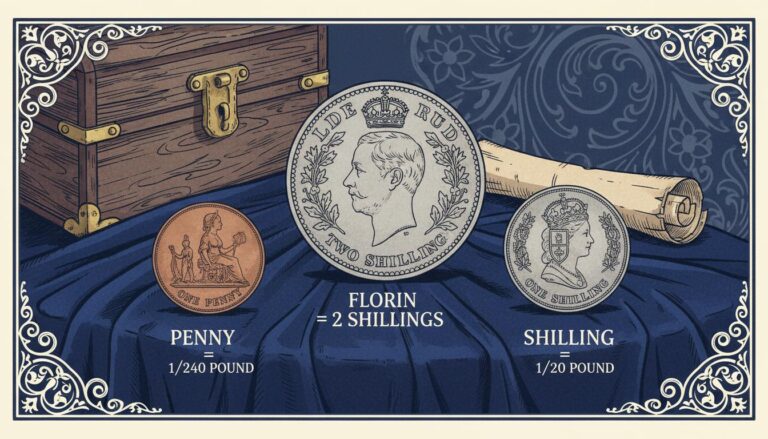
Another monumental shift occurred in 1997, when the government granted the Bank operational independence to set interest rates. This meant the Monetary Policy Committee could make decisions to control inflation and maintain price stability without political interference, a structure that remains today. This era also saw major monetary changes like the decimalization of the pound in 1971, which simplified the currency system.
Following the 2008 global financial crisis, the Bank’s responsibilities expanded further to include broader oversight of financial stability, highlighting its adaptability in an ever-changing economic landscape, a role that continues to be tested by events like the UK’s departure from the European Union, which has had a profound impact on the British Pound Sterling.
A Blueprint for the World: The History of Central Banks in the UK Context
The Bank of England is more than just the UK’s central bank; it is the model upon which many others were built. As one of the oldest in the world, its practices have profoundly shaped the history of central banks UK and globally. For over 200 years, it was the only central bank in the United Kingdom.
Key practices it pioneered include:
- Acting as the government’s banker and debt manager.
- Serving as the lender of last resort to the banking system.
- Managing the country’s gold and currency reserves.
- Implementing monetary policy to control inflation and stabilize the economy.
Institutions from the U.S. Federal Reserve to the European Central Bank have incorporated principles first developed on Threadneedle Street. Its long history provides a rich library of case studies on financial management and crisis response.
What About Bank of England Old Notes?
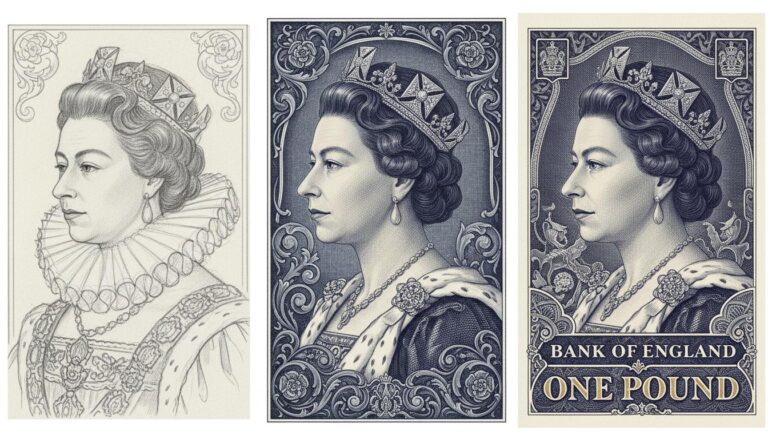
The design of banknotes reflects a nation’s history, technology, and identity. The appearance of Bank of England old notes has evolved from simple handwritten text to intricate designs featuring historical figures and, since 1960, the reigning monarch.
Queen Elizabeth II was the first monarch to appear on a Bank of England note. In June 2024, a new chapter began as banknotes featuring the portrait of King Charles III entered circulation, marking the first time a new monarch has appeared on its currency.
One of the Bank’s enduring promises is that its banknotes hold their value forever. Even after a note is withdrawn from circulation, the Bank of England will always exchange it for a new one of the same face value. This commitment underpins the public’s ultimate trust in the currency.
Frequently Asked Questions
When was the Bank of England founded and for what purpose?
The Bank of England was founded in 1694. Its primary purpose was to raise funds for the government’s war against France. It was established as a private joint-stock company with the authority to issue notes and manage public debt.
How did the Bank of England come to issue banknotes?
The right to issue banknotes was granted to the Bank at its founding. In 1833, its notes were declared legal tender. The 1844 Bank Charter Act formalized this role, placing strict controls on note issuance tied to gold reserves to ensure public confidence.
When did the Bank of England become nationalized?
The Bank of England was nationalized in 1946 by the post-war Labour government. This transferred the institution from private ownership to full state ownership, cementing its role as a public body.
Are old Bank of England notes still valid?
Yes. The Bank of England guarantees it will honor any genuine banknote it has ever issued. Withdrawn notes can be exchanged for their face value in new currency at any time.
What is the Bank of England’s role today?
Today, the Bank of England’s primary roles include setting monetary policy to maintain price stability, ensuring the stability of the entire UK financial system, issuing banknotes, managing the UK’s gold and currency reserves, and acting as the banker for the government.
Conclusion
The history of the Bank of England is a remarkable journey of adaptation and resilience. What began as a novel way to finance a war evolved into a cornerstone of the global financial system, pioneering the very concept of modern central banking. Its story reflects the economic history of the United Kingdom itself—a transition from a world backed by gold to one built on institutional trust.
From managing the national debt during the Napoleonic Wars to navigating the complexities of 21st-century finance, the Bank has remained committed to its founding mission: promoting “the good of the people of the United Kingdom.” Its legacy is not just in its vaults of gold or its iconic banknotes, but in the stable financial foundation it continues to provide for the nation.